Plastic model car kits are assembly kits that recreate real vehicles in miniature scale. Pick your subject (American muscle, JDM tuners, Formula 1 racers, classic trucks) and build it by hand at your own pace. Radar Toys carries kits from AMT, Revell, Tamiya, COBI, Aoshima, and more, with scales and skill levels to suit every builder. Browse our full model kits collection to see everything we stock.
There's something genuinely satisfying about a finished model on the shelf. The painted details, the tiny chrome trim, the knowledge that you built that. Whether you're grabbing your first kit or adding to a serious collection, you'll find something here worth building.
Which Model Car Scale Is Right for You?
Scale determines finished size, detail level, and how much shelf space you'll need. Here's a quick breakdown:
|
Scale
|
Finished Size (approx.)
|
Best For
|
|
1:18
|
~10–12 inches long
|
Large display pieces, high detail, showpiece builds
|
|
1:24
|
~7–9 inches long
|
Mid-size builds, widely available parts, popular with Revell
|
|
1:25
|
~7–9 inches long
|
The most common scale for plastic model car kits, especially AMT and MPC
|
|
1:26
|
~7–8 inches long
|
Used by COBI for select sets like the BWT Alpine F1 Team Car
|
|
1:32
|
~5–6 inches long
|
Compact builds, smaller display spaces, great for beginners
|
1:25 scale is the sweet spot for most builders. It's the standard for American-brand plastic kits, which means more options, more aftermarket parts, and a large community behind you. 1:24 and 1:25 are very similar in finished size and display well together on the same shelf. Scale information appears directly in each product title, so you always know what you're buying.
Top Brands for Model Car Kits
The brand on the box tells you a lot about the build ahead.
-
AMT: The classic American name in plastic model car kits. Built its reputation on 1:25 scale muscle cars, trucks, and custom builds. If you grew up building kits in the garage, AMT was probably on the workbench. AMT is published by Round 2 Models, who continue releasing new toolings and classic reissues every year.
-
Revell: One of the most recognized names in the hobby worldwide. Revell model car kits range from vintage classics to modern vehicles. Beginner-friendly snap kits sit alongside more demanding multi-part builds.
-
Tamiya: Japanese precision, full stop. Tamiya model car kits are known for tight part tolerances, detailed instructions, and finishes that reward patience. A favorite among serious hobbyists. Tamiya's official site lists their full catalog, including new releases.
-
MPC: Snap-together kits with pop culture tie-ins. Lower barrier to entry, faster build times, and genuinely fun subjects. A great starting point for younger builders or anyone who wants a rewarding build without a full-weekend commitment.
-
COBI: A brick-style alternative for builders who love the construction block format. Satisfying to build and striking on display.
-
Aoshima: The go-to Japanese brand for JDM and import tuner kits. Skylines, Supras, modified street cars. This is the brand you want for Japanese subjects.
New releases from all these brands arrive regularly. If a kit you want is out of stock, sign up for a restock alert directly on its product page.
Model Car Kit Skill Levels Explained
The skill level rating on the box is your road map for how the build will go.
-
Skill Level 1 — Snap-Together: No glue or paint required. Parts snap into place. Build time: 1–2 hours.
-
Skill Level 2 — Basic Assembly: Light glue, simple paint scheme. A solid first step into painting. Build time: 3–6 hours.
-
Skill Level 3 — Intermediate: More parts, masking, and multi-color paint work. A dedicated workspace and basic tools are helpful. Build time: 6–15 hours.
-
Skill Level 4+ — Advanced: Photo-etch parts, detailed engine bays, multi-stage paint, weathering. These builds take weeks and earn their shelf space. Build time: 15–50+ hours.
New to the hobby? Start with Skill Level 1 or 2 and pick a subject you love. The techniques come naturally when you care about what you're building. Finishing a snap kit is the fastest way to find out if this hobby is going to stick.
What's Currently in Stock
Kits span multiple scales (1:16, 1:25, 1:26, 1:32, and 1:35) and include American muscle, JDM sports cars, Formula 1 builds, and brick-style construction sets. Brands currently in stock include AMT, COBI, Aoshima, Tamiya, and Robotime, with new releases added regularly.
Paint supplies and finishing accessories are stocked alongside the kits so you can grab everything in one order. A note on the Robotime 1910s Grand Prix Car: it's a wooden construction kit, not a plastic assembly kit. It's a great build for fans of vintage racing and hands-on construction, but it differs from the plastic kits in this collection.
If a kit shows as out of stock, sign up for a restock alert on its product page to be first in line when it returns.
Related Building and Model Kit Collections
If you enjoy building model cars, you might also want to explore our Gundam model kits for mecha and mobile suit builds, or our Metal Earth collection for laser-cut steel models that work with no glue or paint. Warhammer builders can find their kits in the Warhammer model kits section.
A Great Activity for Kids and Parents to Build Together
A Skill Level 1 snap kit is one of the best hands-on activities you can do with a child on a rainy day or a PA day. There's no glue, no paint, and no experience required. The parts click together cleanly, the instructions are visual, and the whole thing is done in an afternoon. Kids as young as 7 or 8 can follow along with a little guidance, and older kids can largely run with it on their own.
What makes it work as a shared activity is that it has a clear goal. You're not just playing. You're making something. The finished car sits on the shelf as a reminder of the afternoon you spent building it together. That's worth more than most afternoons.
If your child is into a specific subject (a Mustang, a Camaro, a Formula 1 car, a Japanese import), there's almost certainly a kit for it. Starting with something they already care about makes the whole experience click faster.
Passing the Hobby Down: Building with Grandparents and Elders
Plastic model kits have been around since the late 1940s. AMT released some of its earliest car kits in the 1950s, and Revell has been in continuous production since 1951. That means a lot of older adults built these exact kits as kids: in the garage, on the kitchen table, saving up their allowance for the next one.
For many families, introducing a grandchild to model building is a genuine act of passing something down. The subject on the box might be different, but the smell of the plastic, the satisfaction of the fit, and the pride in the finished result are identical to what that person felt 50 or 60 years ago.
It's also a hobby that doesn't require much physical effort, which makes it accessible across a wide range of abilities. A good kit, a comfortable table, and an afternoon are enough. If you're looking for a meaningful activity to share with an older family member, this is one of the best ones going.
Why Model Building is Good for Kids (and Adults)
Model car kits build more than just models. Working through a multi-step assembly teaches kids to follow instructions carefully, plan ahead, and recover when something doesn't go quite right. Painting requires patience and a steady hand. Masking tape and multi-color schemes introduce basic spatial thinking.
These aren't skills you have to teach explicitly. They develop naturally through the process of wanting the finished model to look good. The motivation is built into the hobby.
For adults, the focus required to build well is part of the appeal. An hour at the workbench with a good kit is genuinely restorative. There's a reason the hobby has stayed strong through decades of competing entertainment options: it asks something of you, and gives something back in return.
Rainy Days, PA Days, and Screen-Free Afternoons
Model building is one of the best answers to a long unstructured day at home. It fills a few hours, produces something tangible, and doesn't require a screen. That combination is harder to find than it sounds.
A Skill Level 1 snap kit is ideal for this: low setup, no drying time, no special tools, finished by the end of the afternoon. A Skill Level 2 kit with some light painting stretches across a full day and gives kids a reason to come back to the workbench after the first coat dries.
Stock a kit or two ahead of time and you'll have a go-to answer for the next day school gets cancelled. It's also worth knowing that paint and supplies ship in the same order as the kits, so you can have everything ready to go without a separate trip.
The History of Plastic Model Car Kits
The plastic model kit hobby took off in postwar America, when manufacturers figured out that injection-molded plastic could recreate complex shapes cheaply and accurately. AMT (originally Aluminum Model Toys) was founded in Detroit in 1948 and started producing promotional car models for auto dealerships: miniature replicas that let customers see color options and new models when showrooms had limited stock. By the late 1950s, those same toolings were repurposed into retail assembly kits, and the hobby took off fast. According to Hagerty's history of the model car industry, it was companies in and around Detroit (AMT, Jo-Han, and later MPC) that built the foundation of the model car kit industry as we know it today.
By the 1960s, model car building was one of the most popular hobbies in North America. Muscle cars, custom builds, show rods, and race cars all had dedicated kit lines. The hobby generated its own culture: magazines, contests, specialty paint brands, and a vocabulary of techniques that serious builders still use today.
The hobby contracted in the 1980s and 1990s as video games competed for the same demographic, but it never went away. In the 2010s it came back strongly, driven partly by nostalgia and partly by a new generation of builders who found the hobby online. Brands like Tamiya and Aoshima held steady through the quiet years and emerged with strong catalogs. AMT and MPC were revived under Round 2 Models and have been releasing new toolings alongside classic reissues ever since.
Today the range of available subjects is wider than it's been in decades. If you want to build a 1969 Camaro, a 1990s Nissan Skyline, or a current Formula 1 car, there are kits for all of them, with a community of builders behind each one.
Joining the Model Car Building Community
If you want to experience that community in person, the IPMS/USA National Convention is the largest model contest and show in the country, held every summer. The 2026 edition runs August 5–8 in Fort Wayne, Indiana, and draws builders from across the US and internationally. It's vendor halls, seminars, workshops, and thousands of finished models on display. A good reminder of just how alive this hobby still is.
Online, forums like Scale Auto and communities on Reddit and YouTube have made it easier than ever to learn techniques, get feedback on your work, and find out what's coming from manufacturers. The barrier to getting good at this hobby has never been lower.
Building alone is satisfying. Building as part of a community, with people who get excited about the same things you do, is something else entirely.
Frequently Asked Questions About Car Sets or Model Car Kits
Where can I buy plastic model car kits online?
Radar Toys carries a wide selection online with free domestic shipping on every order, and ships most orders the same day. Shopping here gives you access to more brands, scales, and new releases than most local hobby shops carry.
Do manufacturers still make model car kits?
Yes, and the hobby is genuinely thriving. AMT, Revell, Tamiya, and MPC all release new kits every year. The Scale Auto community is a good resource for release news, builder showcases, and technique guides if you want to go deeper into the hobby.
What is the most popular scale for plastic model car kits?
1:25 scale is the most common, particularly for American-brand kits from AMT and MPC. 1:24 scale is widely used by Revell and European brands. Both produce finished models in a similar size range and display well together.
What are the best model car kits for beginners?
Start with a Skill Level 1 snap-together kit: no glue, no paint, just clean-fitting parts. MPC and Revell both offer beginner-friendly options. Pick a car you actually love, and staying motivated through the build takes care of itself.
How long does it take to build a model car kit?
Build time depends on skill level. Snap-together kits can be finished in 1–3 hours. A standard Skill Level 2 kit typically fills a weekend. Advanced builds with detailed engine bays and multi-stage paint can run 15–50+ hours spread over several weeks.
What's your return policy?
We offer a 90-day return policy from the date of purchase. Damaged items are replaced or refunded in full. See our shipping and returns policy for full details.
Why Shop Model Car Kits at Radar Toys?
Radar Toys is a specialty hobby retailer, not a general marketplace. Every kit in this collection has been chosen because it's genuinely worth building.
-
Selection: More scales, brands, and skill levels than most local stores carry.
-
Free domestic shipping: Every order ships free within the US, no minimum required.
-
Fast handling: Most orders ship the same day. All orders ship within one business day.
-
Restock alerts: Sign up to be first in line when a sold-out kit comes back.
-
One-stop shopping: Paint, primer, glue, and finishing supplies are all stocked alongside the kits.
You shouldn't have to shop five different places to start one build. Have a question before you order? Contact our team. We're happy to help.

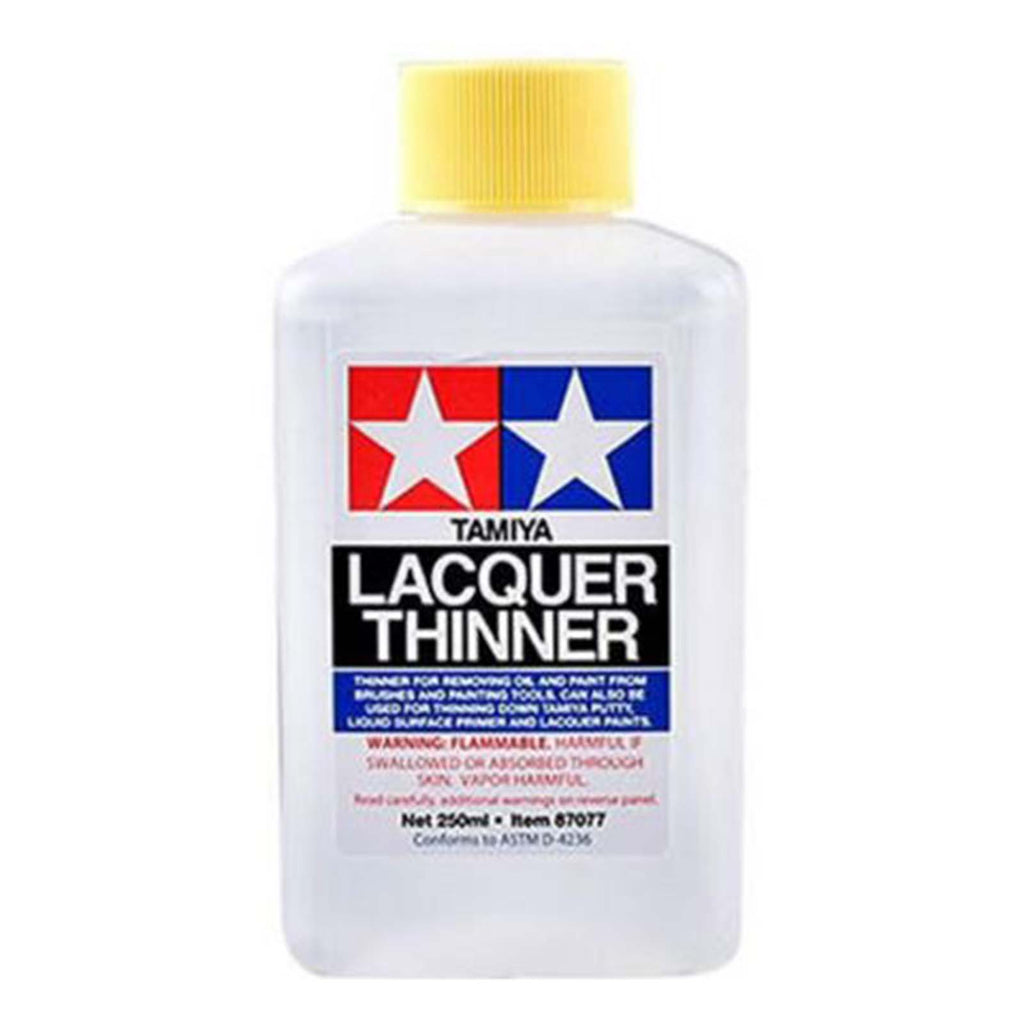 Tamiya Lacquer Thinner 250mL Bottle
$10.99
Tamiya Lacquer Thinner 250mL Bottle
$10.99
 Tamiya Color PS-28 Fluorescent Green Polycarbonate Spray Paint 100mL
$10.99
Tamiya Color PS-28 Fluorescent Green Polycarbonate Spray Paint 100mL
$10.99
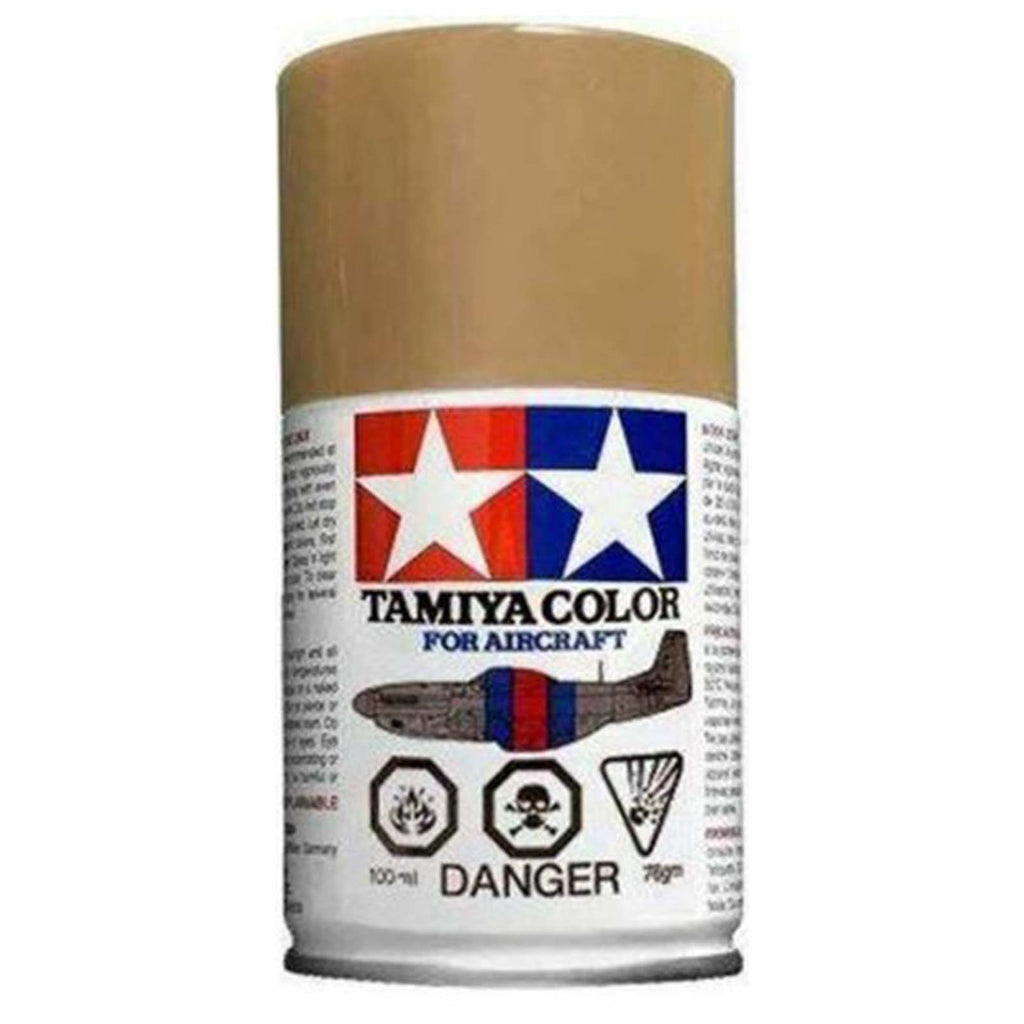 Tamiya Color For Aircraft AS-15 Tan Acrylic 100mL Spray Paint Can TAM86515
$10.99
Tamiya Color For Aircraft AS-15 Tan Acrylic 100mL Spray Paint Can TAM86515
$10.99
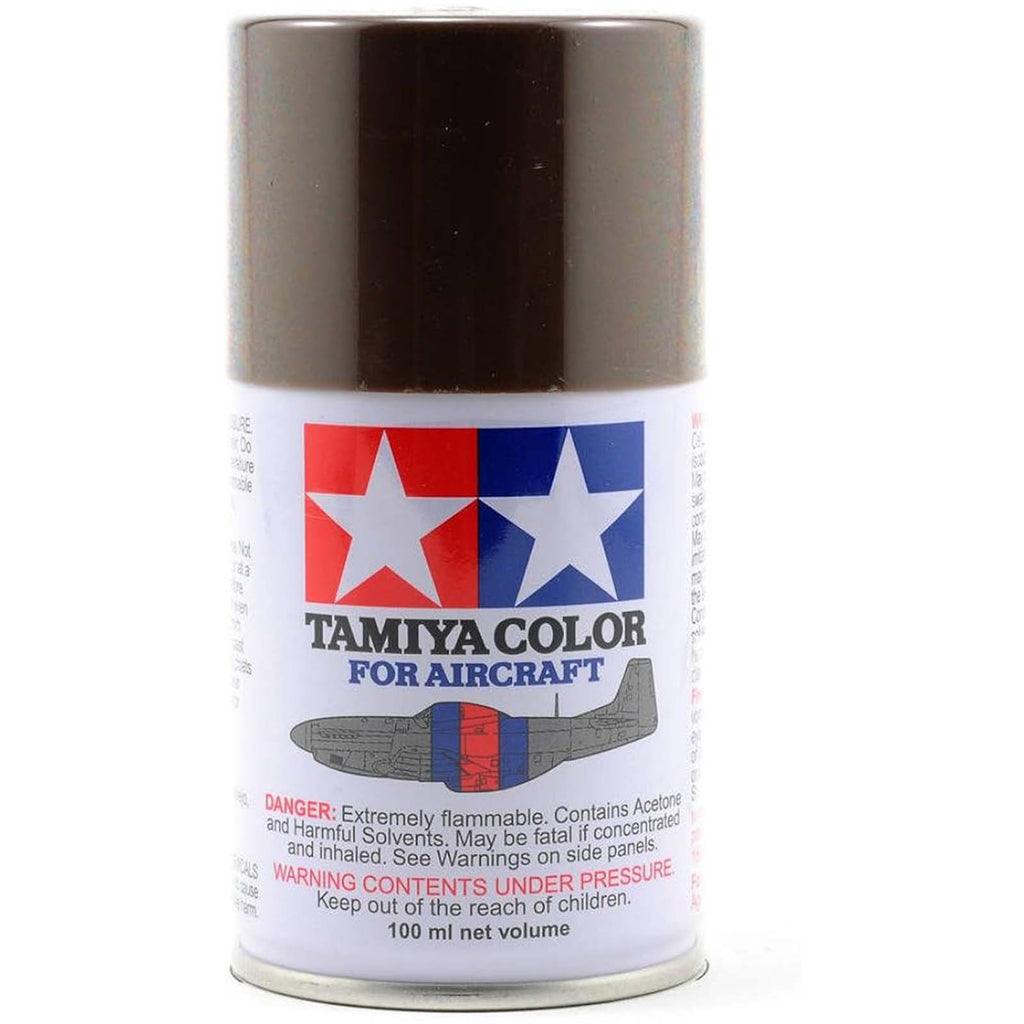 Tamiya Color AS-22 Dark Earth Spray 100mL
$10.99
Tamiya Color AS-22 Dark Earth Spray 100mL
$10.99
 Tamiya Color AS-20 Insignia White (USN) Semi-Gloss Spray 100ml
$10.99
Tamiya Color AS-20 Insignia White (USN) Semi-Gloss Spray 100ml
$10.99
 Mr Weathering Rust Color Set
$9.99
Mr Weathering Rust Color Set
$9.99
 Mr Weathering Liner Color Set
$9.99
Mr Weathering Liner Color Set
$9.99
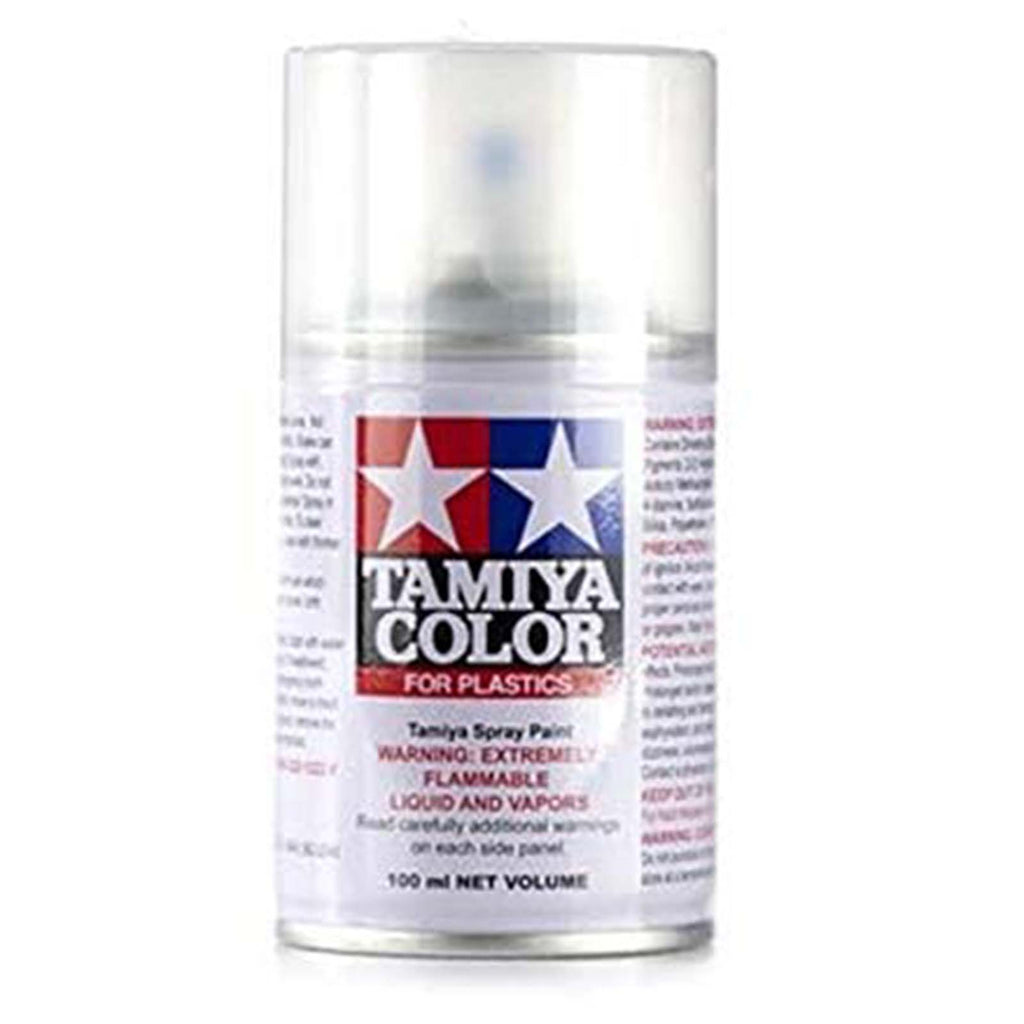 Tamiya Color For Plastics TS-13 Clear 100mL Spray Paint Can TAM85013
$9.99
Tamiya Color For Plastics TS-13 Clear 100mL Spray Paint Can TAM85013
$9.99
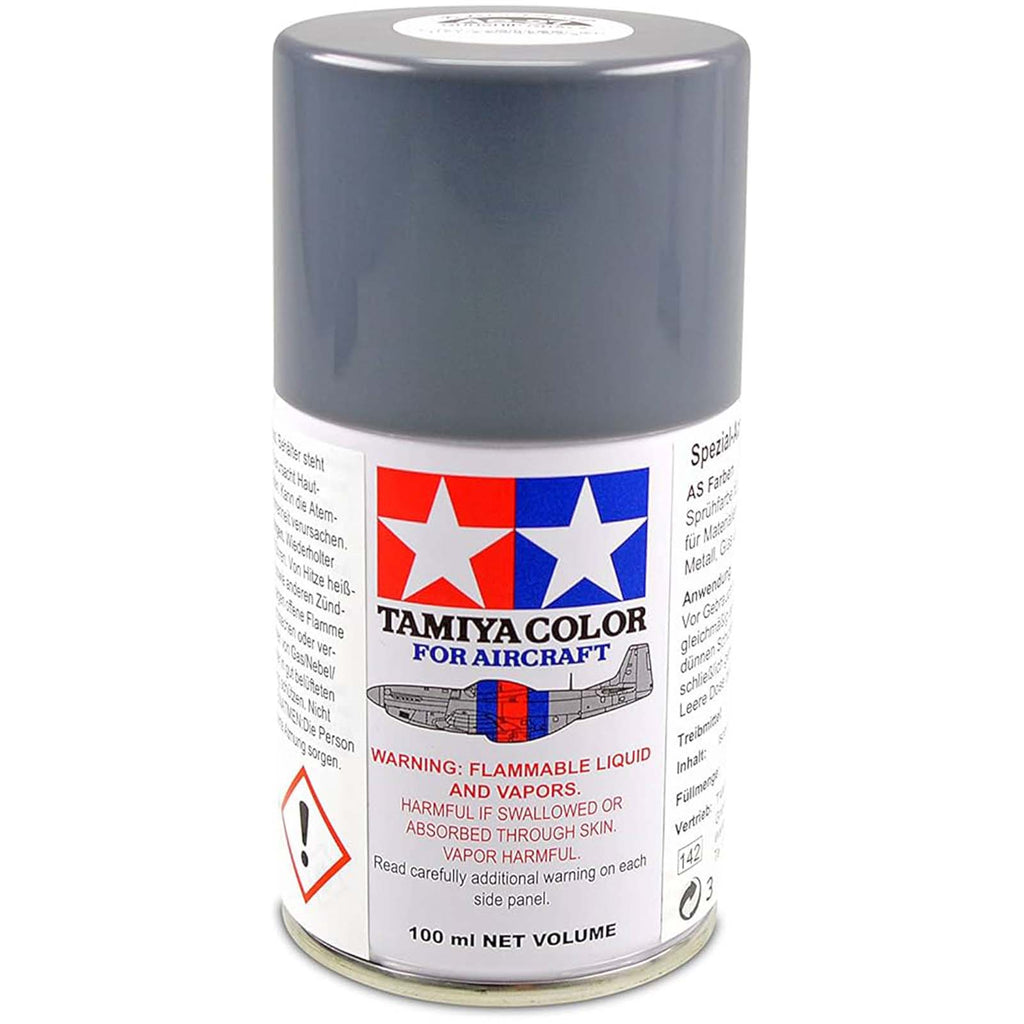 Tamiya Color AS-27 Gunship Gray Spray Lacquer 100mL
$9.99
Tamiya Color AS-27 Gunship Gray Spray Lacquer 100mL
$9.99
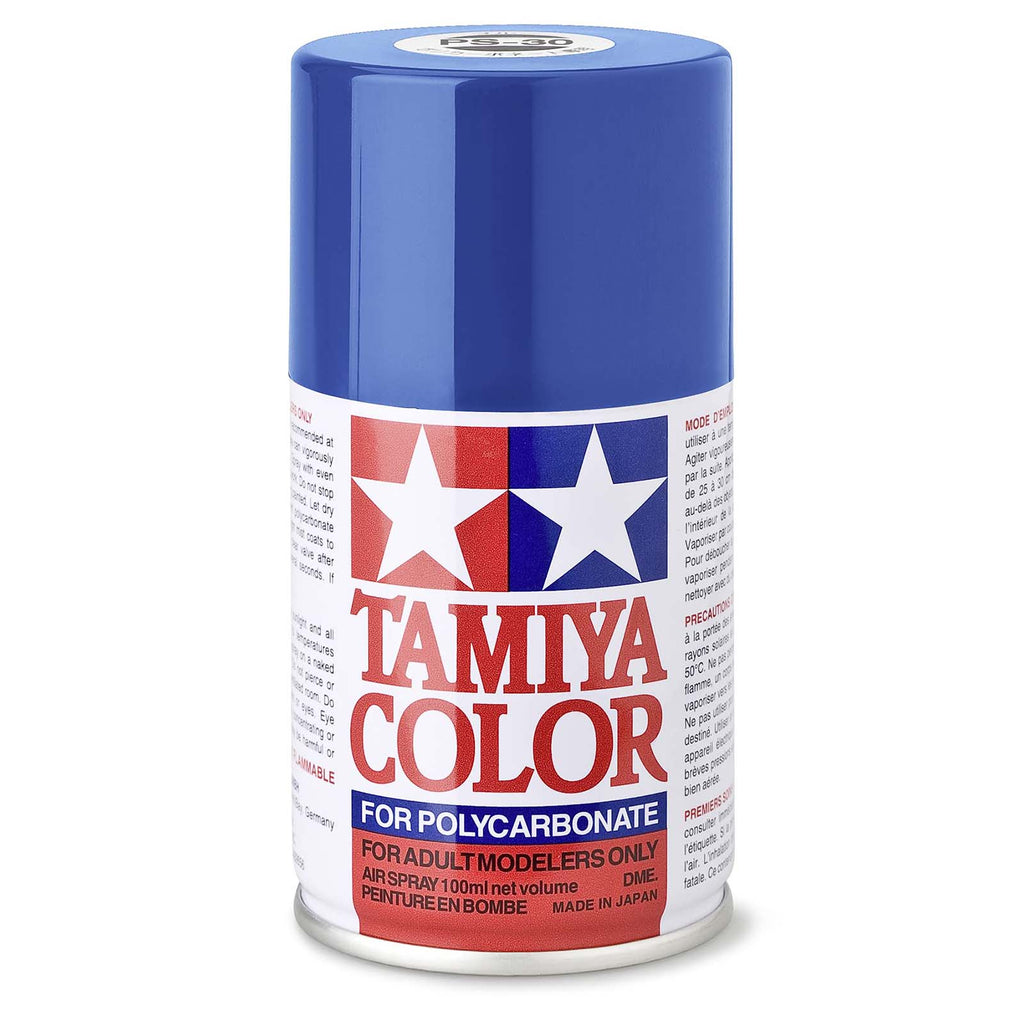 Tamiya Color PS-30 Brilliant Blue Polycarbonate Spray Paint 100mL
$8.99
Tamiya Color PS-30 Brilliant Blue Polycarbonate Spray Paint 100mL
$8.99
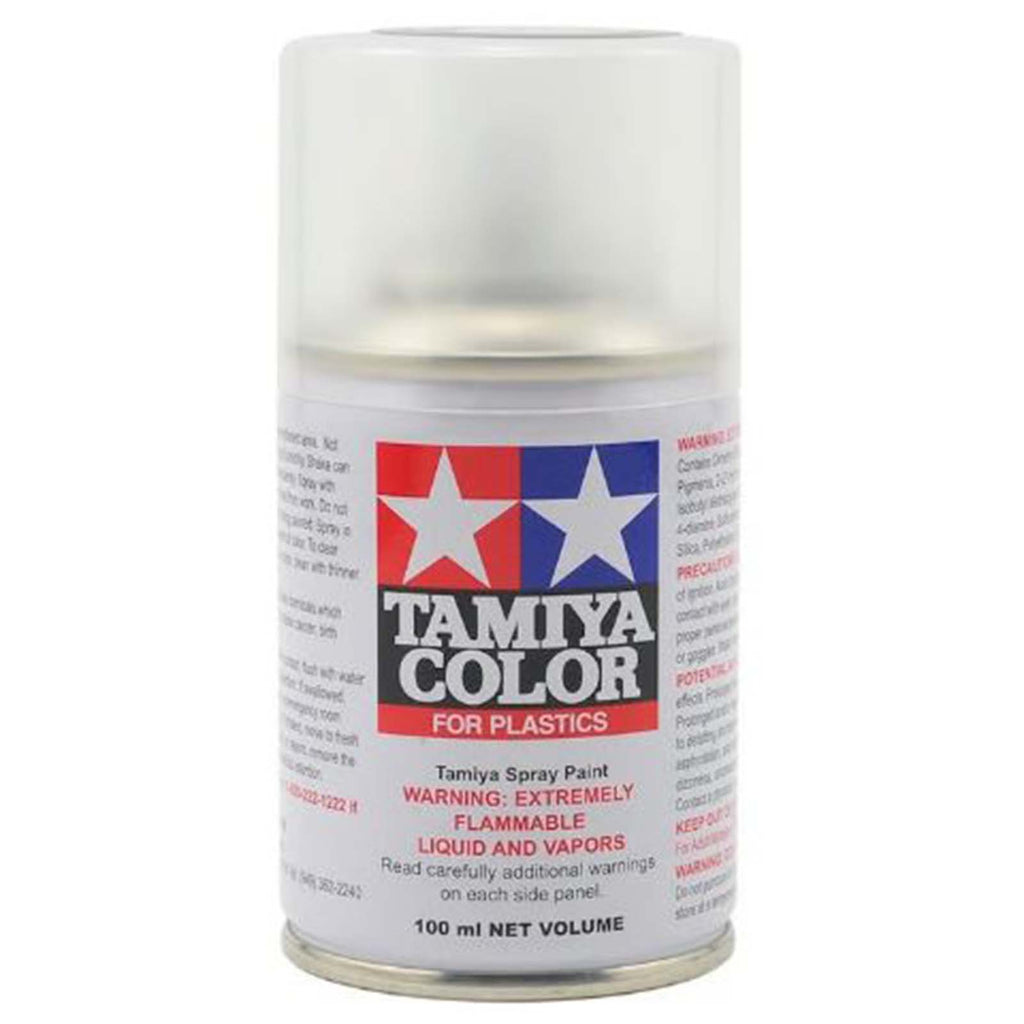 Tamiya Color For Plastics TS-80 Flat Clear 100mL Spray Paint Can TAM85080
OUT OF STOCK
Tamiya Color For Plastics TS-80 Flat Clear 100mL Spray Paint Can TAM85080
OUT OF STOCK
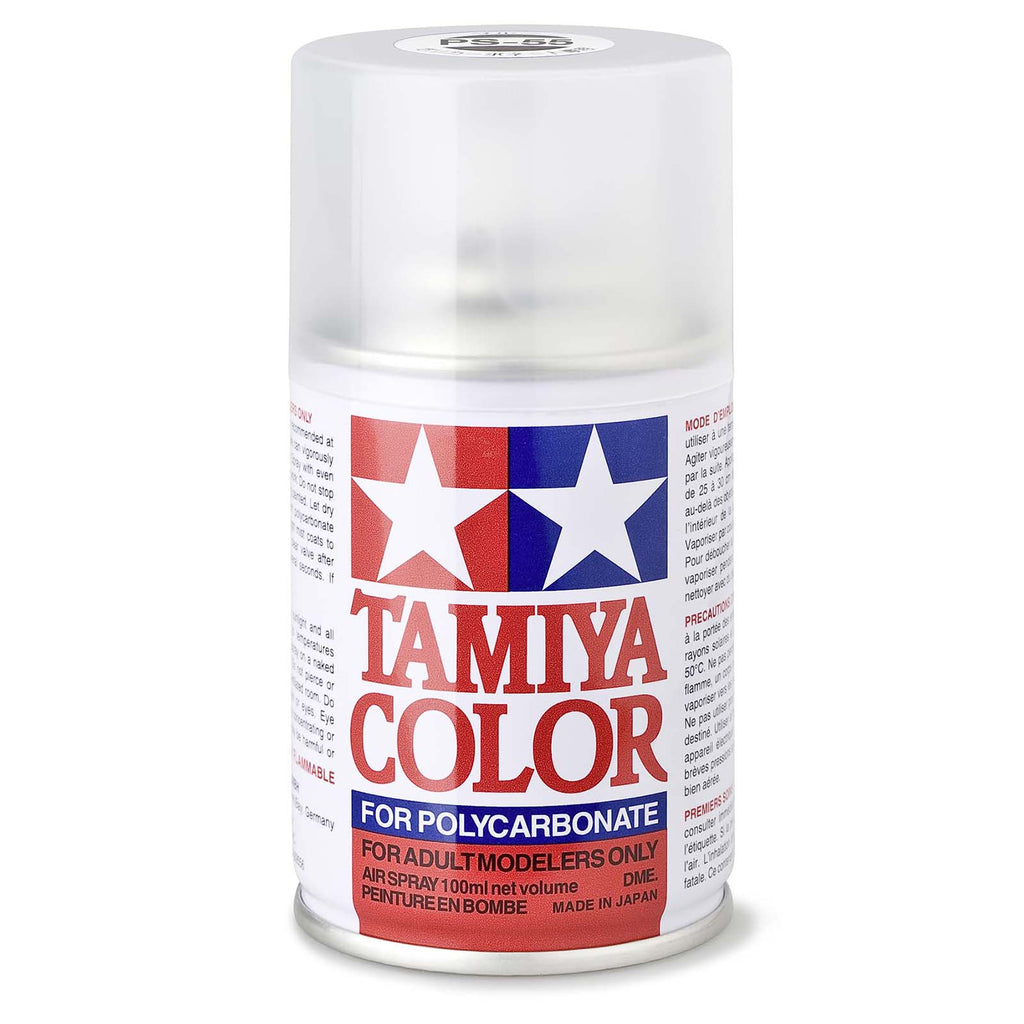 Tamiya Color PS-55 Flat Clear Flat Polycarbonate Spray Paint 100mL
OUT OF STOCK
Tamiya Color PS-55 Flat Clear Flat Polycarbonate Spray Paint 100mL
OUT OF STOCK
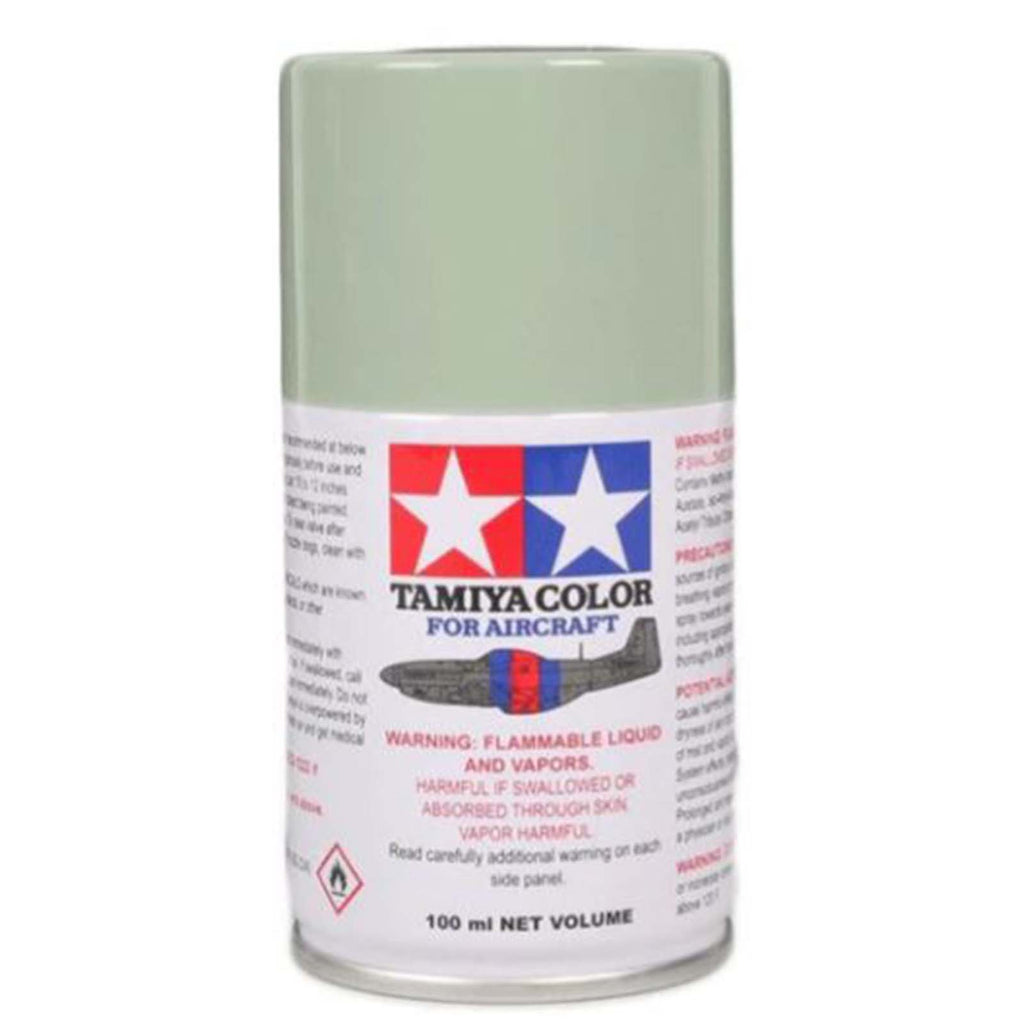 Tamiya Color AS-29 Gray-Green IJN Semi-Gloss Spray 100mL
OUT OF STOCK
Tamiya Color AS-29 Gray-Green IJN Semi-Gloss Spray 100mL
OUT OF STOCK
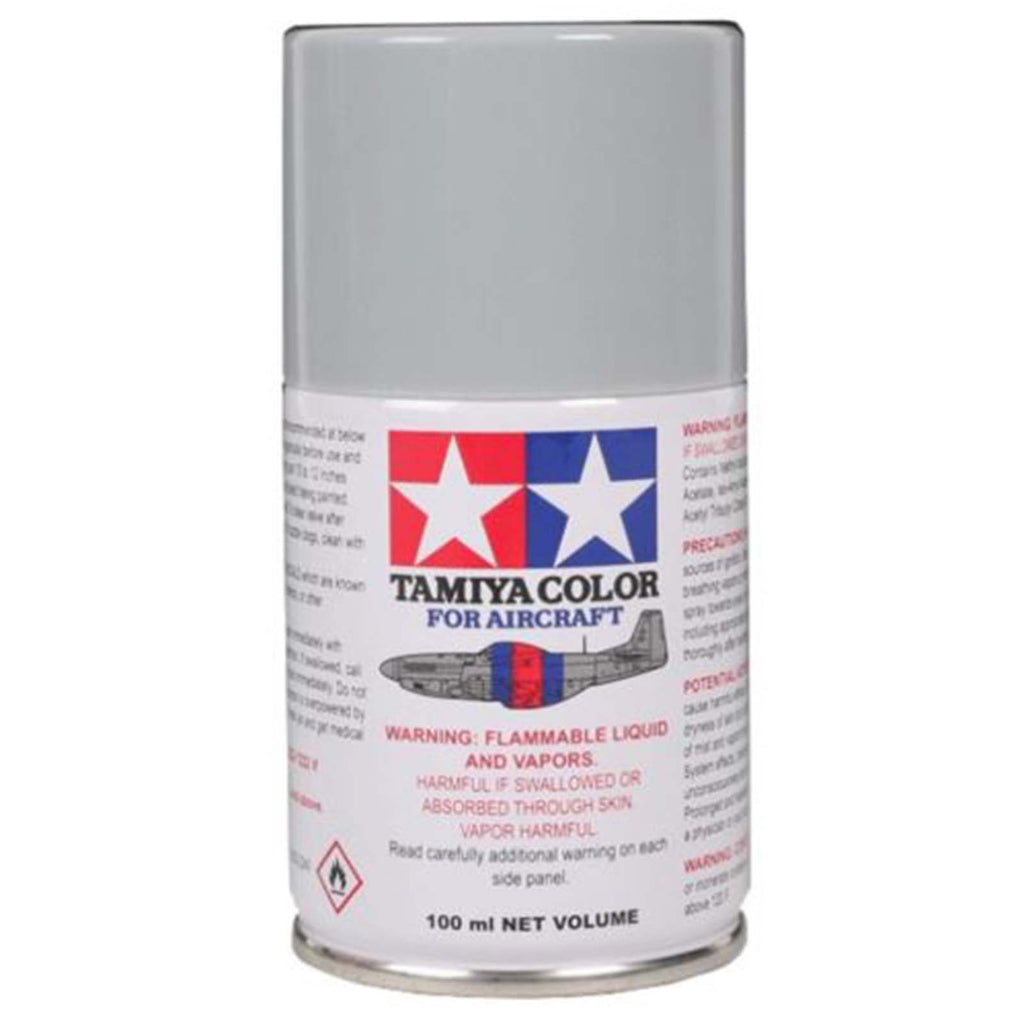 Tamiya Color AS-26 Light Ghost Gray Spray 100mL
OUT OF STOCK
Tamiya Color AS-26 Light Ghost Gray Spray 100mL
OUT OF STOCK
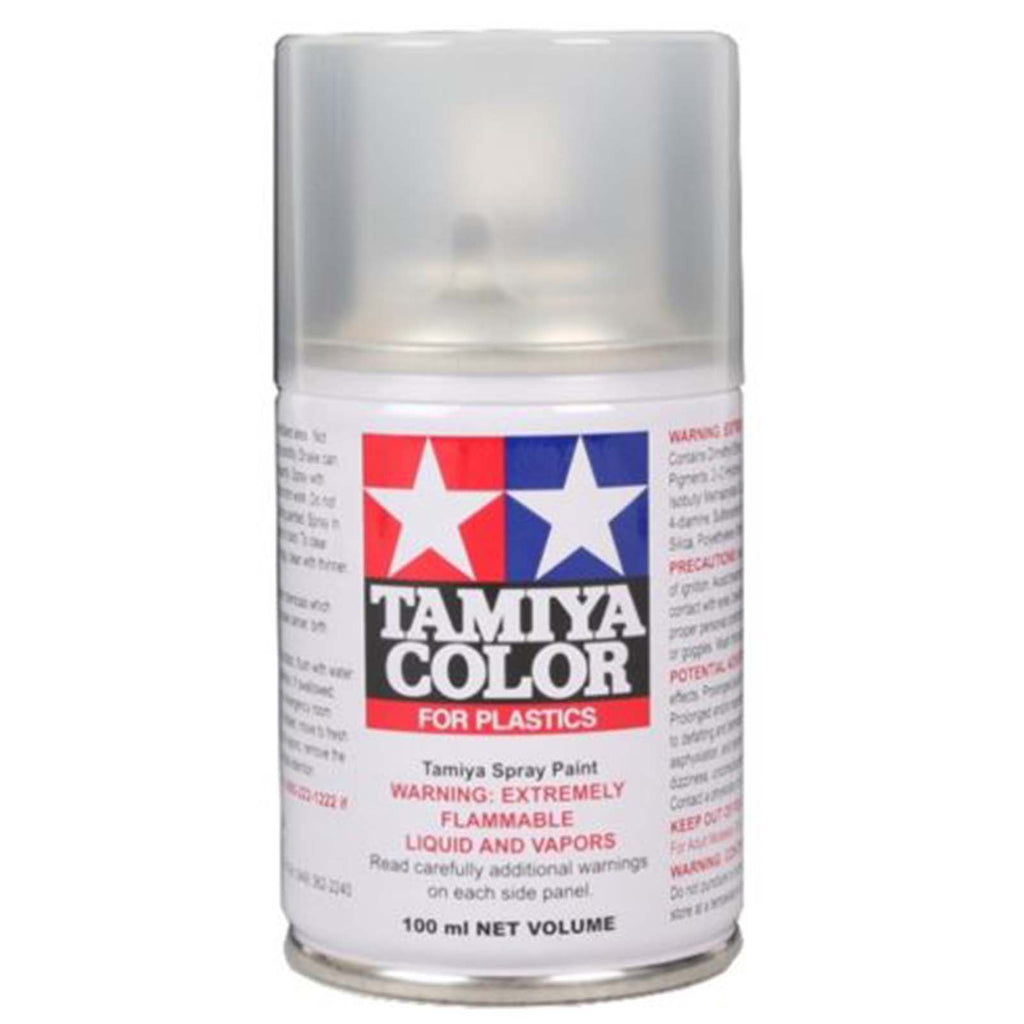 Tamiya Color TS-79 Semi Gloss Clear 100mL Spray Paint Can TAM85079
OUT OF STOCK
Tamiya Color TS-79 Semi Gloss Clear 100mL Spray Paint Can TAM85079
OUT OF STOCK
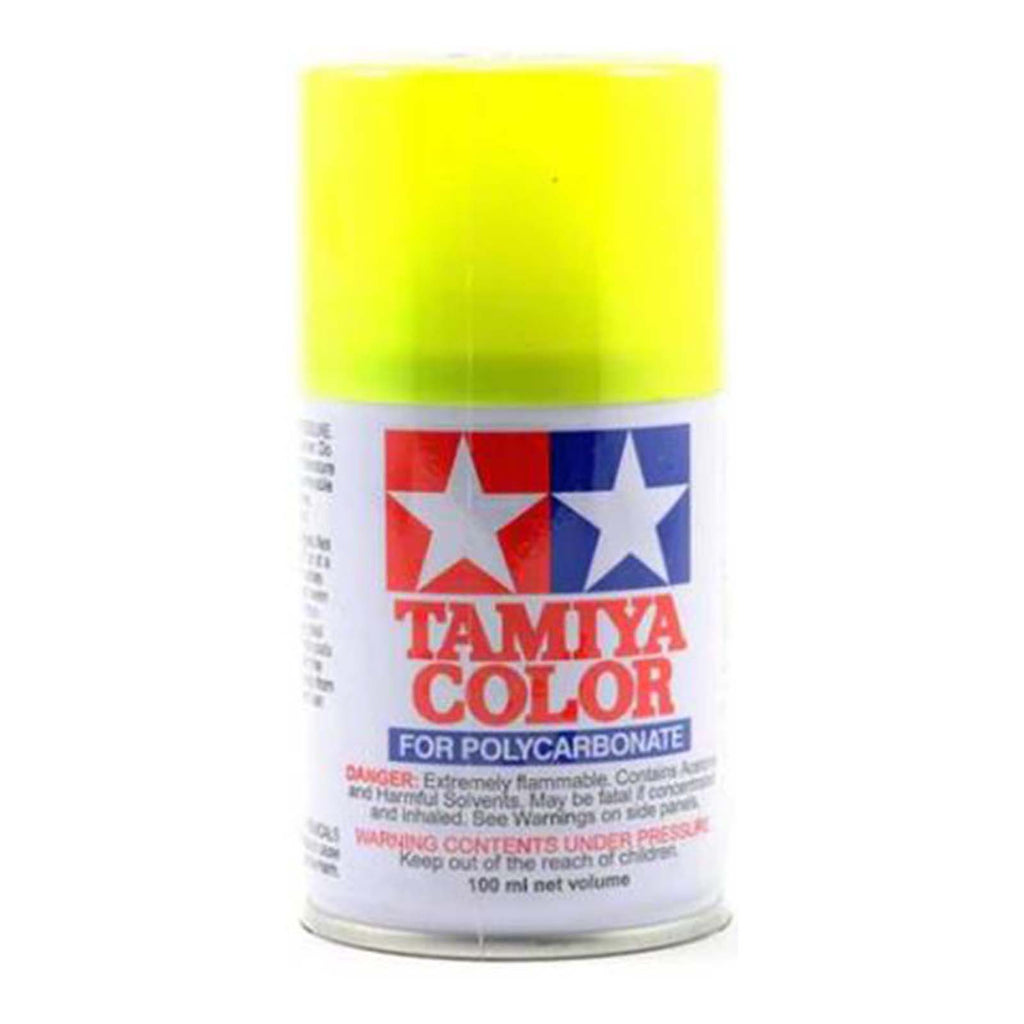 Tamiya Color PS-27 Fluorescent Yellow Polycarbonate Spray Paint 100mL
OUT OF STOCK
Tamiya Color PS-27 Fluorescent Yellow Polycarbonate Spray Paint 100mL
OUT OF STOCK
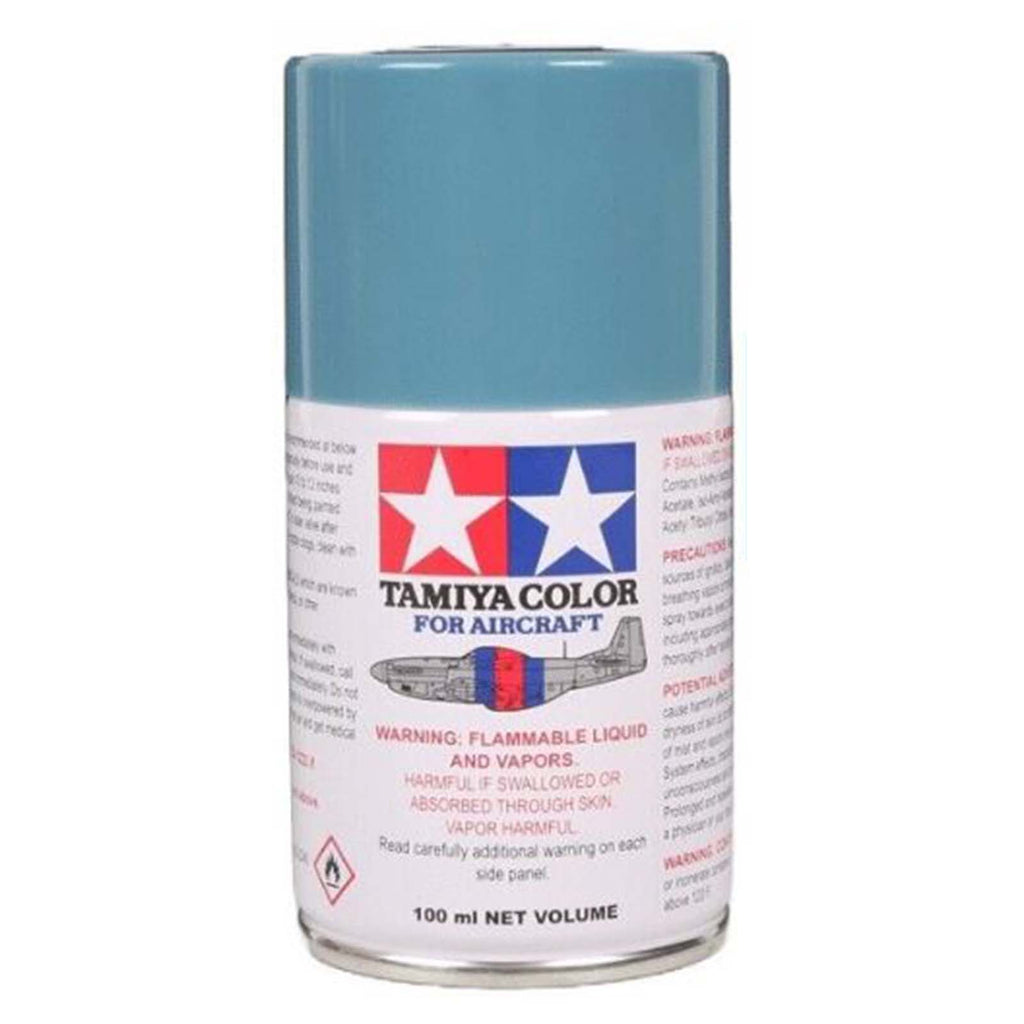 Tamiya Color For Aircraft AS-19 Intermediate Blue US Navy 100ml Spray Paint Can TAM86519
OUT OF STOCK
Tamiya Color For Aircraft AS-19 Intermediate Blue US Navy 100ml Spray Paint Can TAM86519
OUT OF STOCK
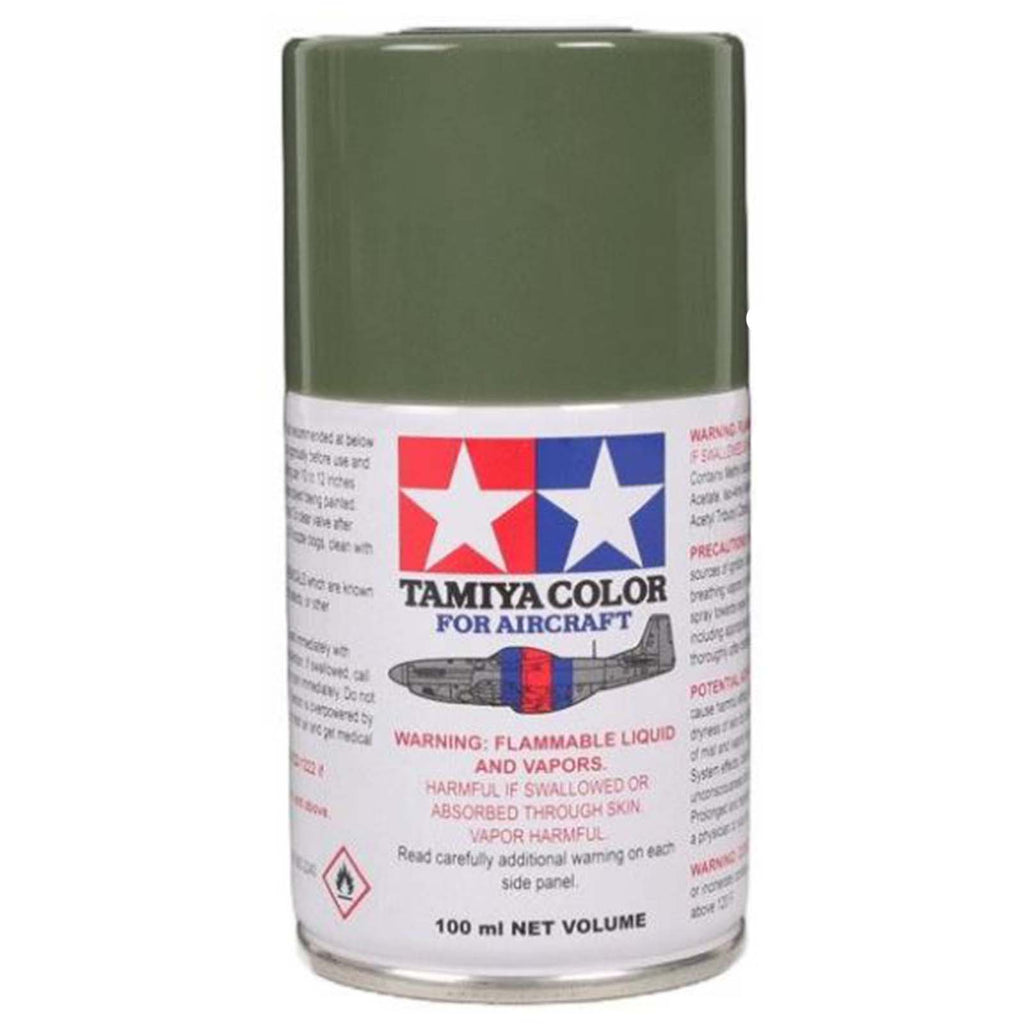 Tamiya Color For Aircraft AS-14 Olive Green USAF 100mL Spray Paint Can TAM86514
OUT OF STOCK
Tamiya Color For Aircraft AS-14 Olive Green USAF 100mL Spray Paint Can TAM86514
OUT OF STOCK
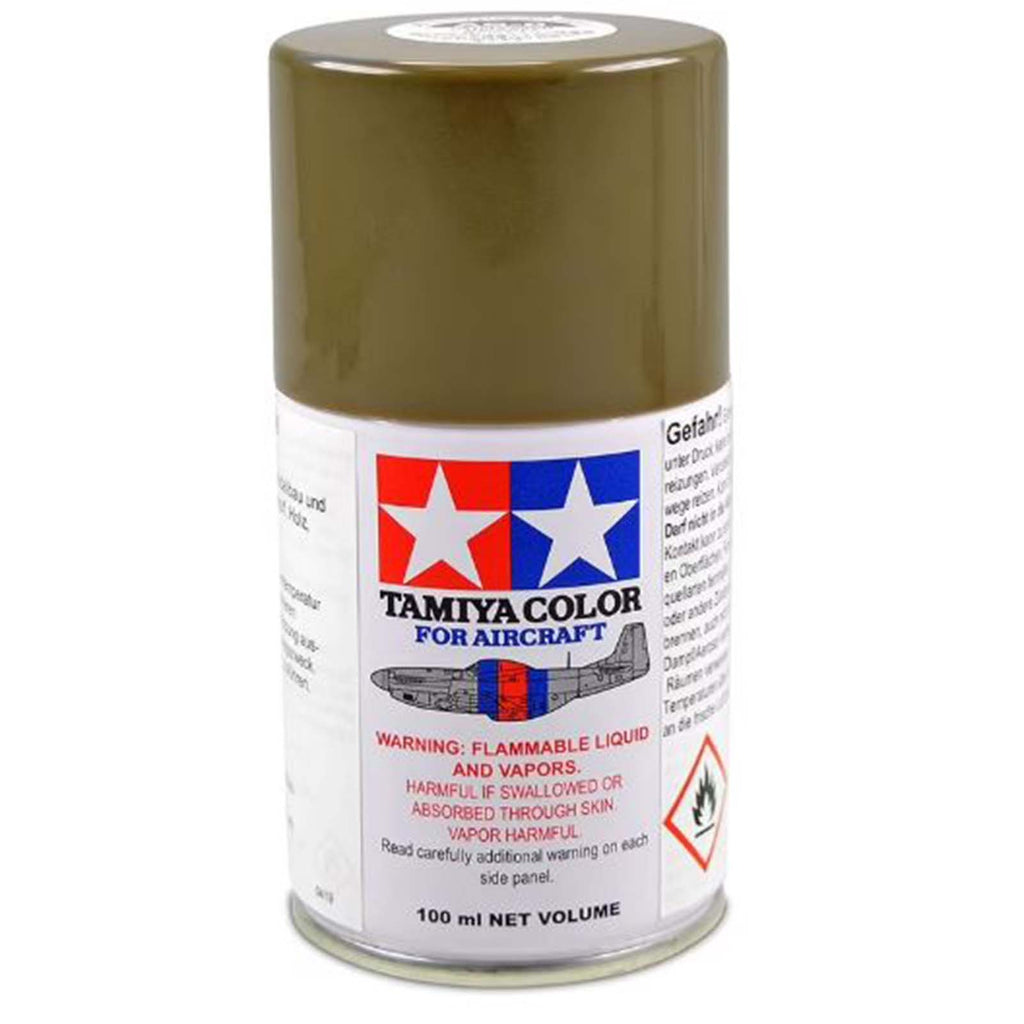 Tamiya Color AS-6 Olive Drab (USAAF) Semi-Gloss Spray Lacquer 100mL
OUT OF STOCK
Tamiya Color AS-6 Olive Drab (USAAF) Semi-Gloss Spray Lacquer 100mL
OUT OF STOCK
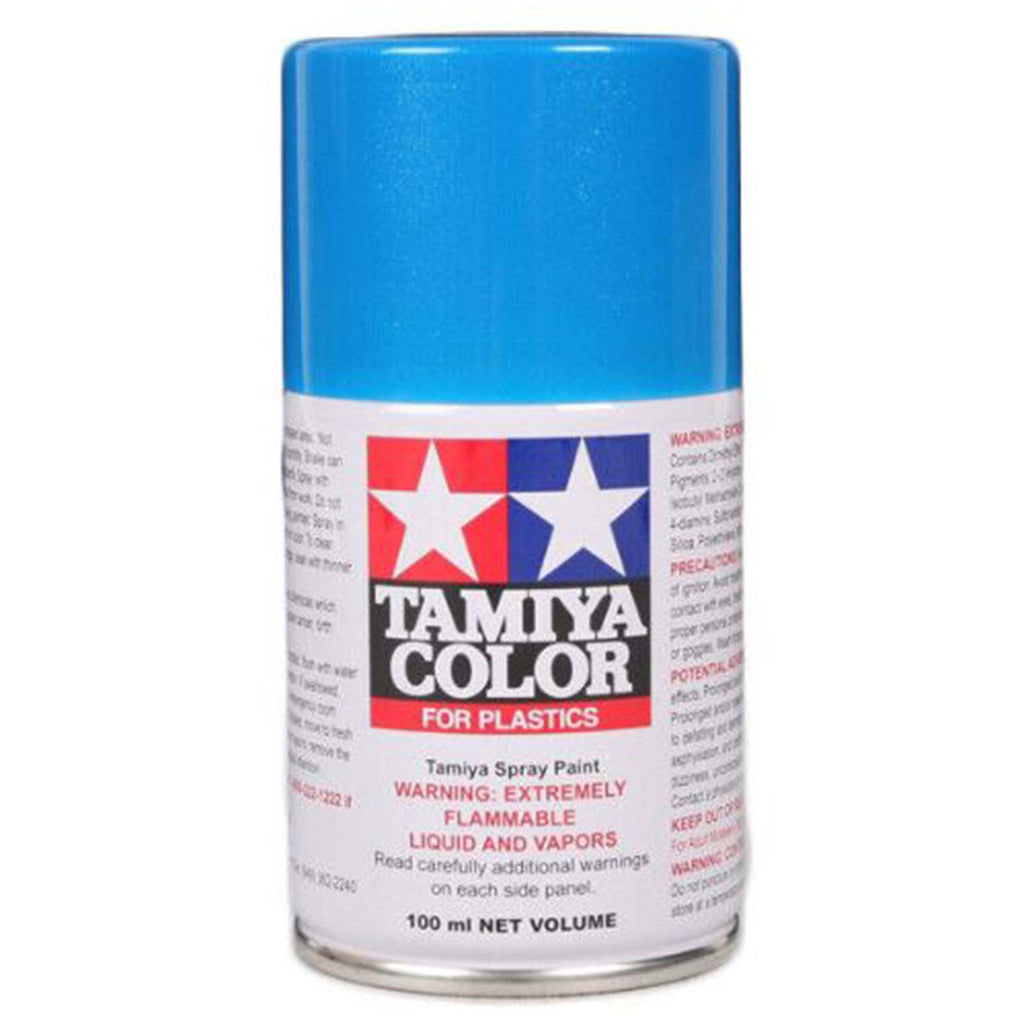 Tamiya Color TS-54 Light Metallic Blue Gloss Spray Lacquer 100mL
OUT OF STOCK
Tamiya Color TS-54 Light Metallic Blue Gloss Spray Lacquer 100mL
OUT OF STOCK
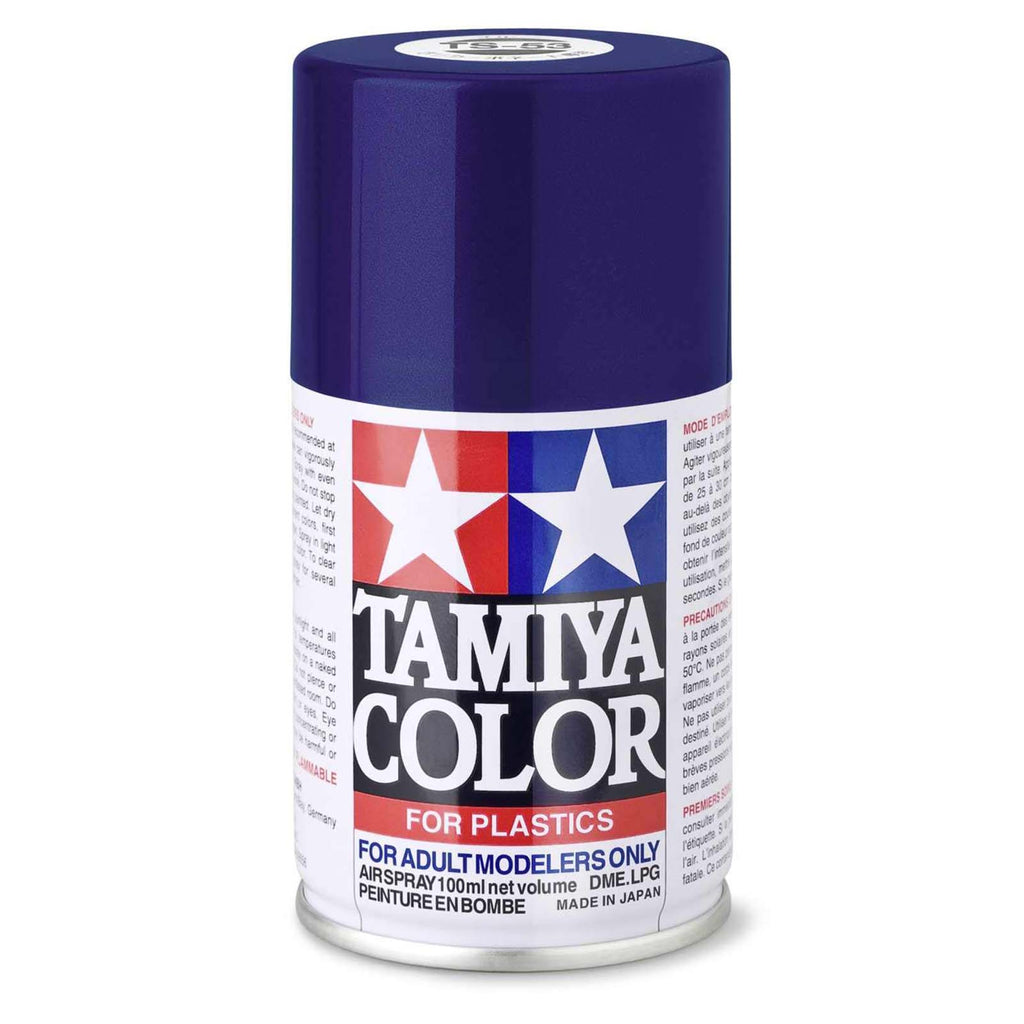 Tamiya Color TS-53 Deep Metallic Blue Gloss Spray Lacquer 100mL
OUT OF STOCK
Tamiya Color TS-53 Deep Metallic Blue Gloss Spray Lacquer 100mL
OUT OF STOCK
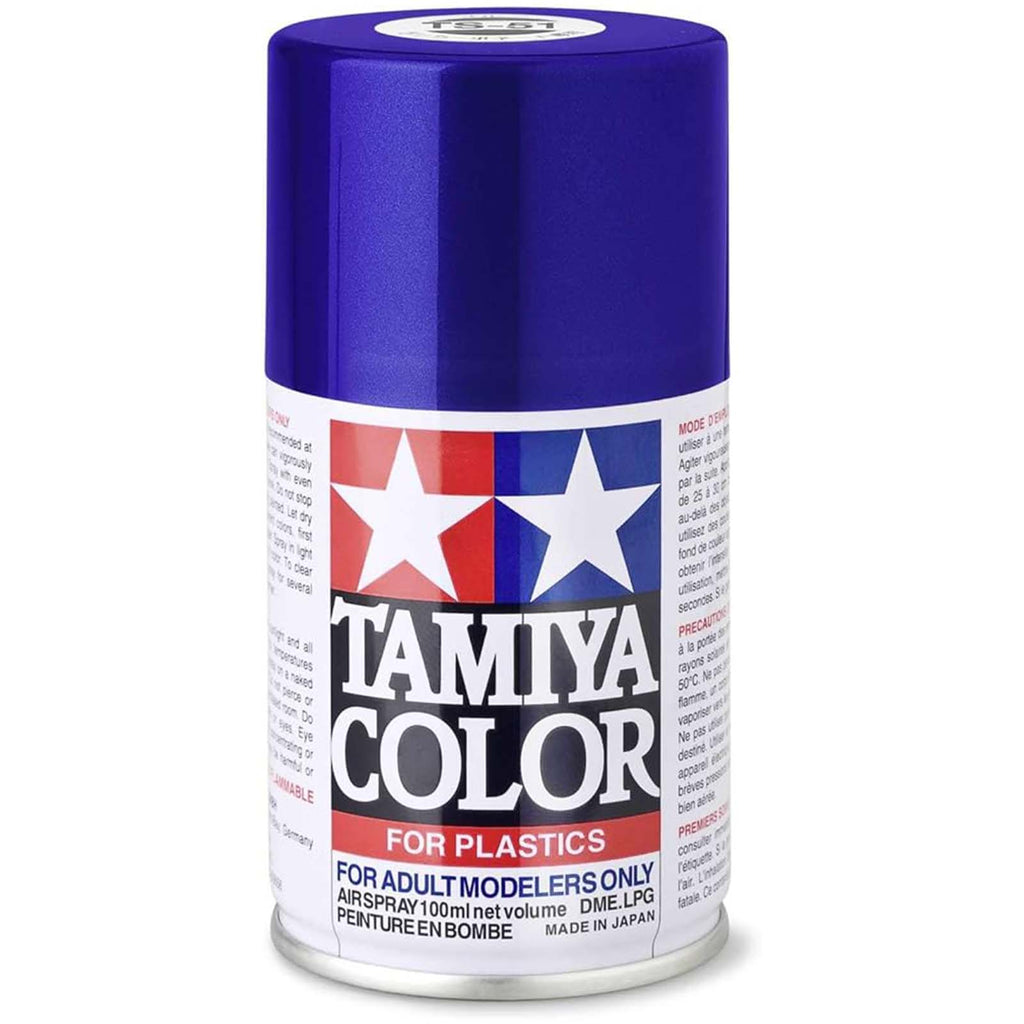 Tamiya Color TS-51 Racing Blue Gloss Spray Lacquer 100mL
OUT OF STOCK
Tamiya Color TS-51 Racing Blue Gloss Spray Lacquer 100mL
OUT OF STOCK
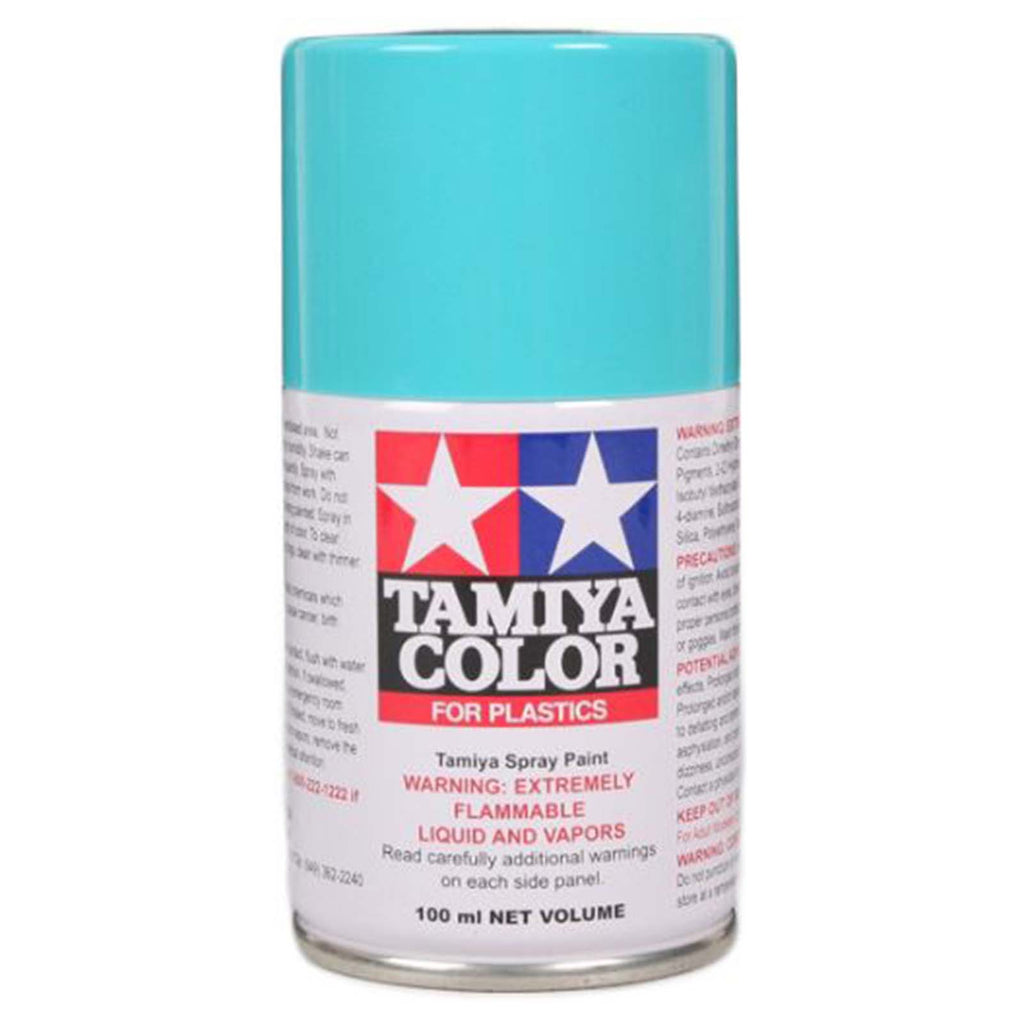 Tamiya Color TS-41 Coral Blue Gloss Spray Lacquer 100mL
OUT OF STOCK
Tamiya Color TS-41 Coral Blue Gloss Spray Lacquer 100mL
OUT OF STOCK
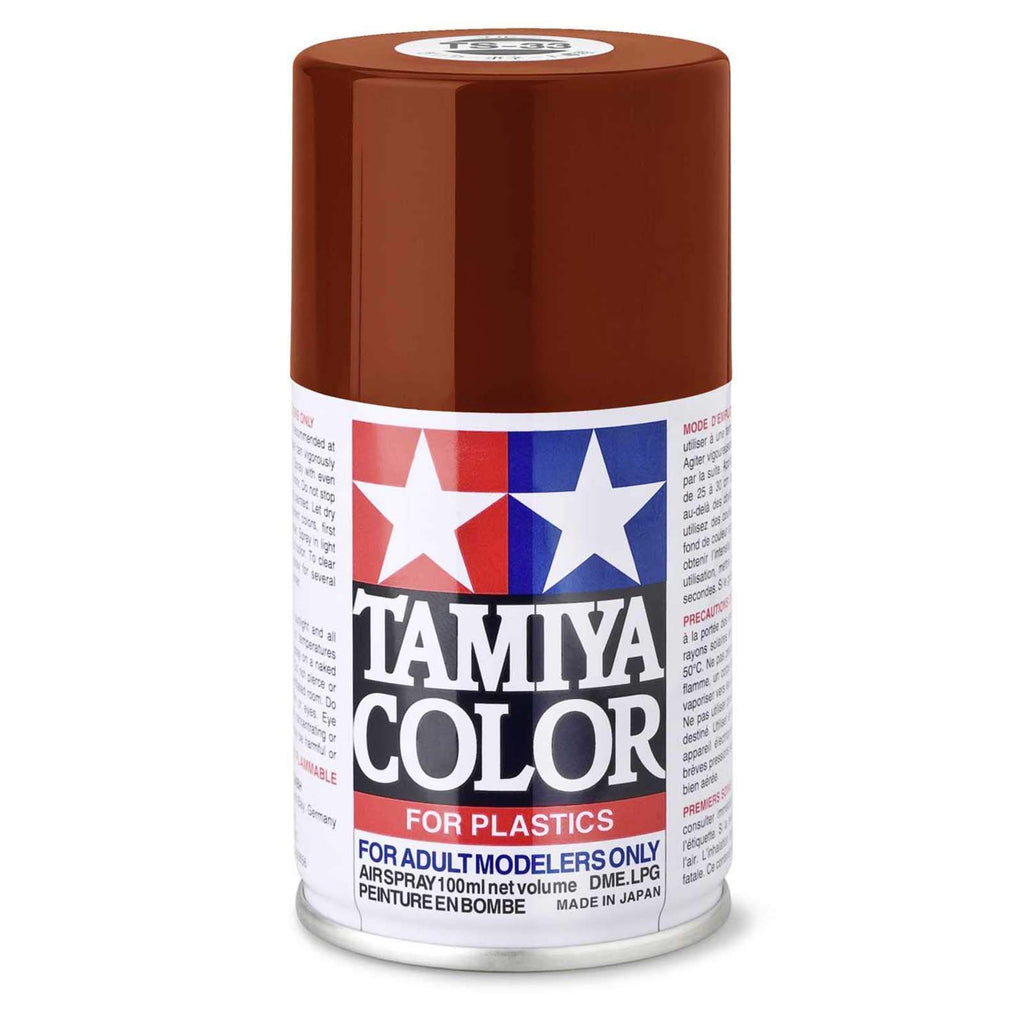 Tamiya Color TS-33 Dull Red Gloss Spray Lacquer 100mL
OUT OF STOCK
Tamiya Color TS-33 Dull Red Gloss Spray Lacquer 100mL
OUT OF STOCK
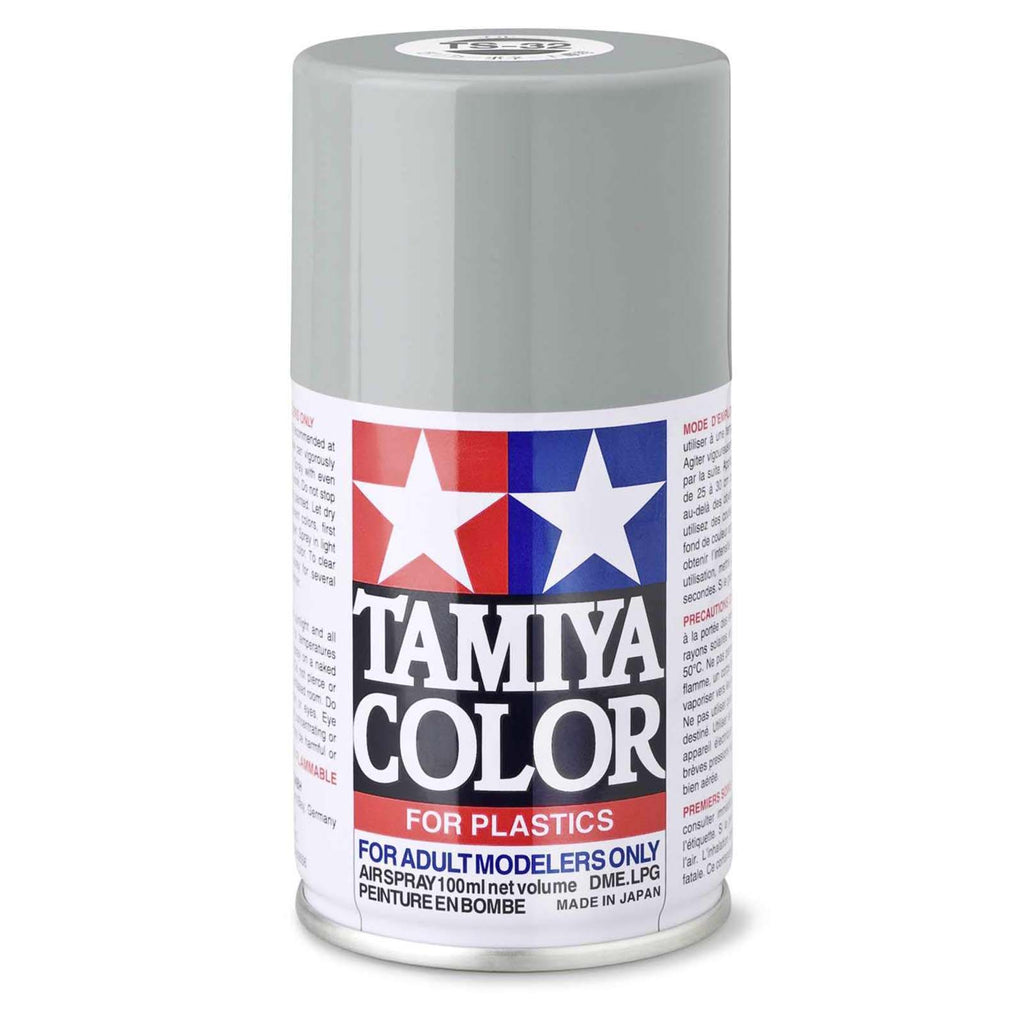 Tamiya Color TS-32 Haze Gray Flat Spray Lacquer 100mL
OUT OF STOCK
Tamiya Color TS-32 Haze Gray Flat Spray Lacquer 100mL
OUT OF STOCK
 Tamiya Color TS-28 Olive Drab 100mL Spray Paint Can TAM85028
OUT OF STOCK
Tamiya Color TS-28 Olive Drab 100mL Spray Paint Can TAM85028
OUT OF STOCK
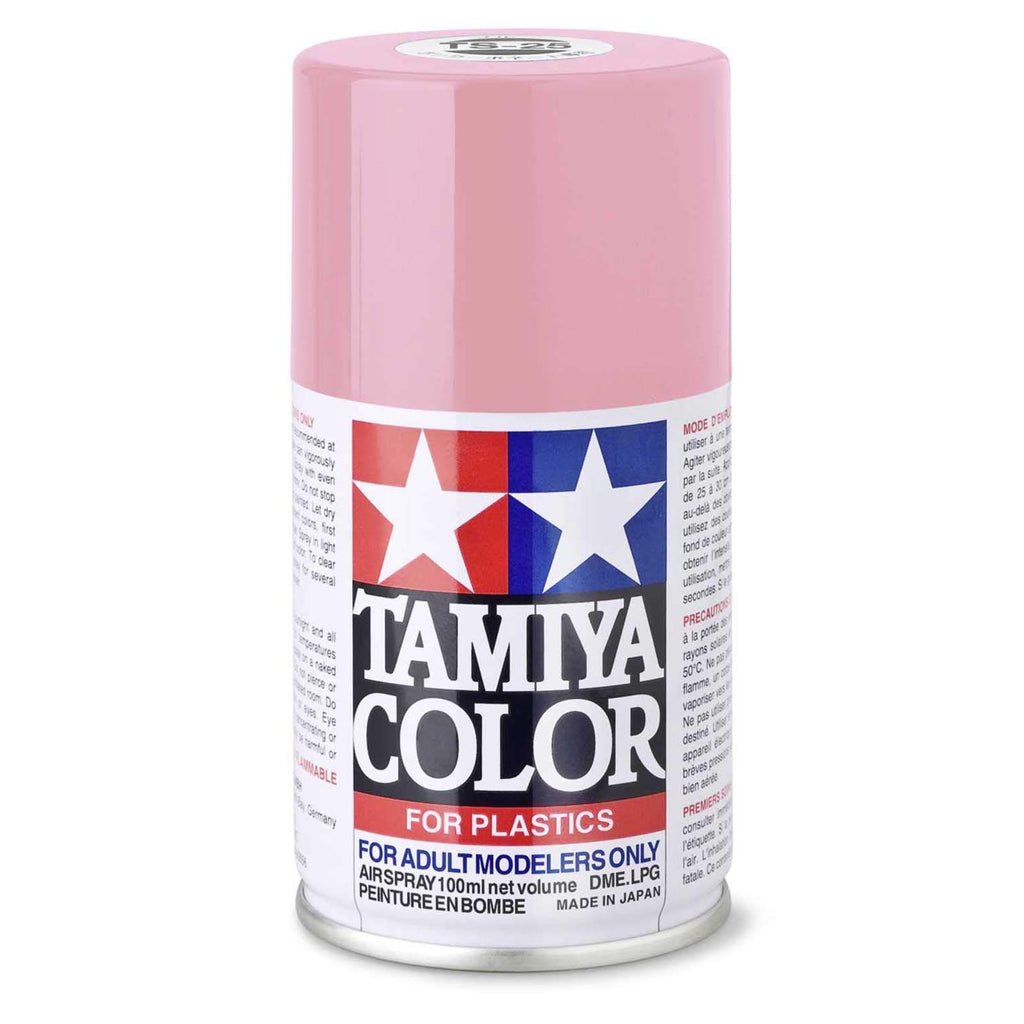 Tamiya Color TS-25 Pink Gloss Spray Lacquer 100mL
OUT OF STOCK
Tamiya Color TS-25 Pink Gloss Spray Lacquer 100mL
OUT OF STOCK
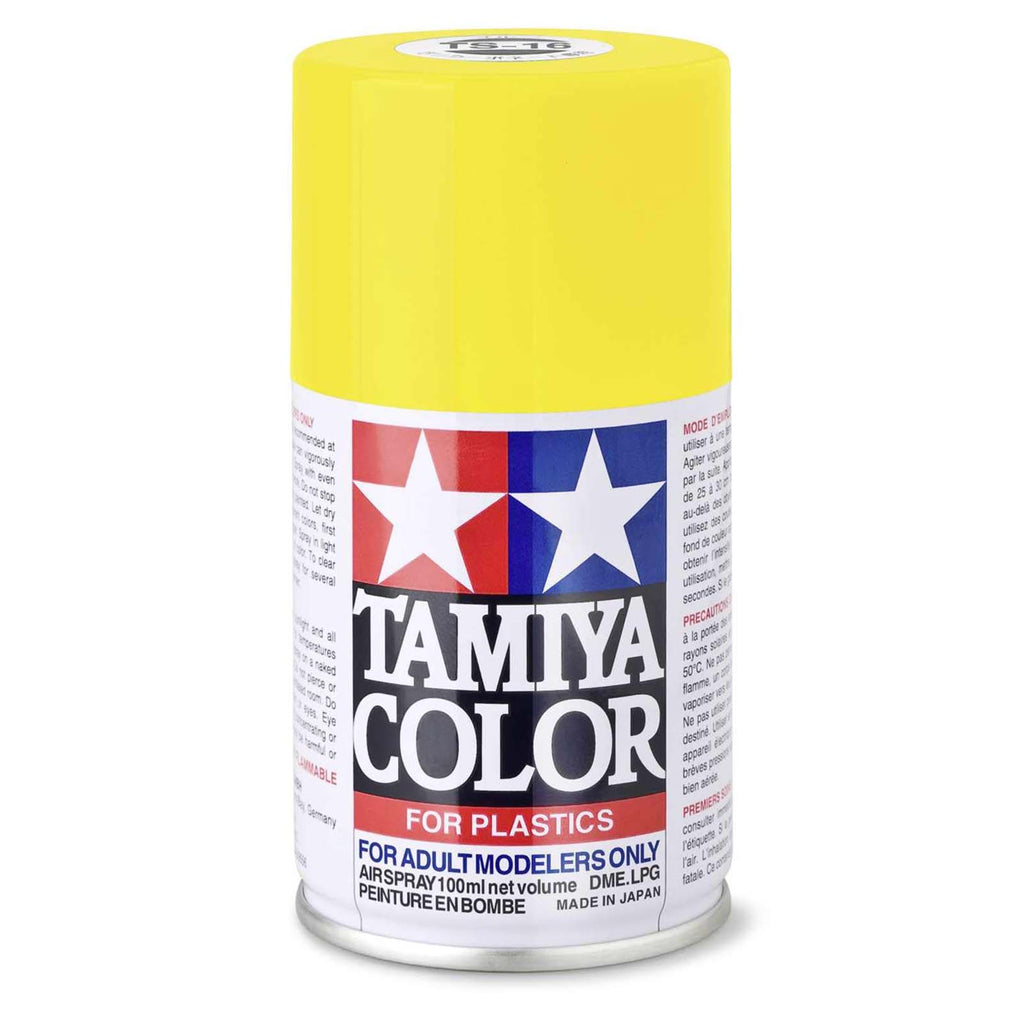 Tamiya Color TS-16 Yellow Gloss Spray Lacquer 100mL
OUT OF STOCK
Tamiya Color TS-16 Yellow Gloss Spray Lacquer 100mL
OUT OF STOCK
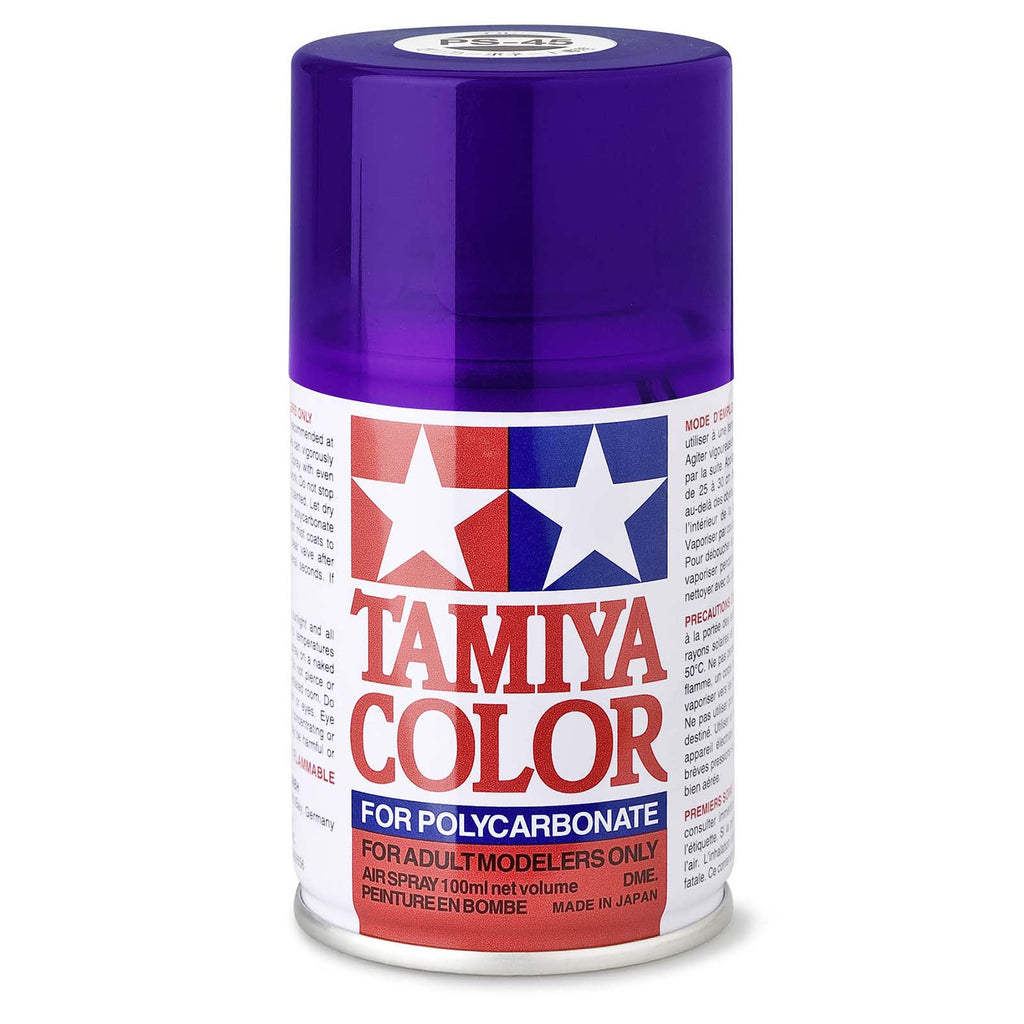 Tamiya Color PS-45 Translucent Purple Polycarbonate Spray Paint 100mL TAM86045
OUT OF STOCK
Tamiya Color PS-45 Translucent Purple Polycarbonate Spray Paint 100mL TAM86045
OUT OF STOCK
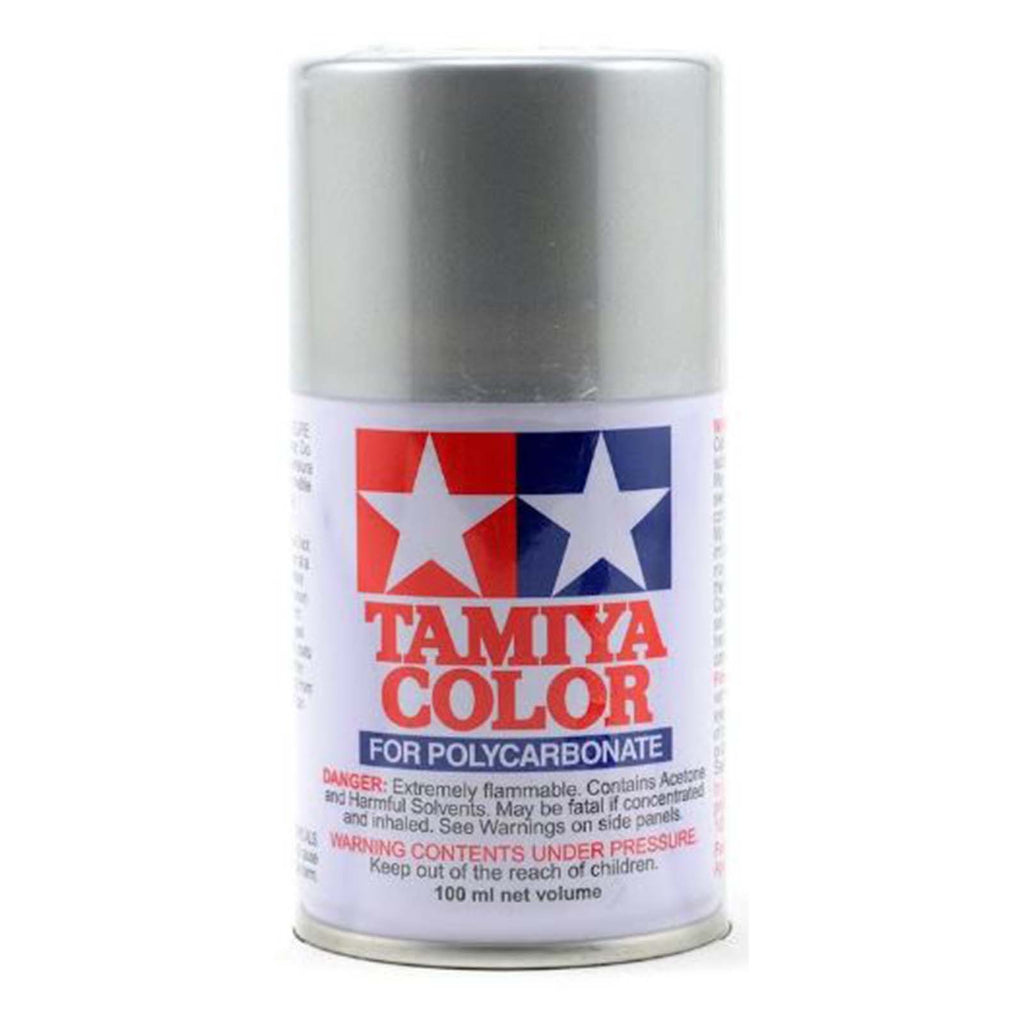 Tamiya Color PS-41 Bright Silver Polycarbonate Spray Paint 100mL
OUT OF STOCK
Tamiya Color PS-41 Bright Silver Polycarbonate Spray Paint 100mL
OUT OF STOCK
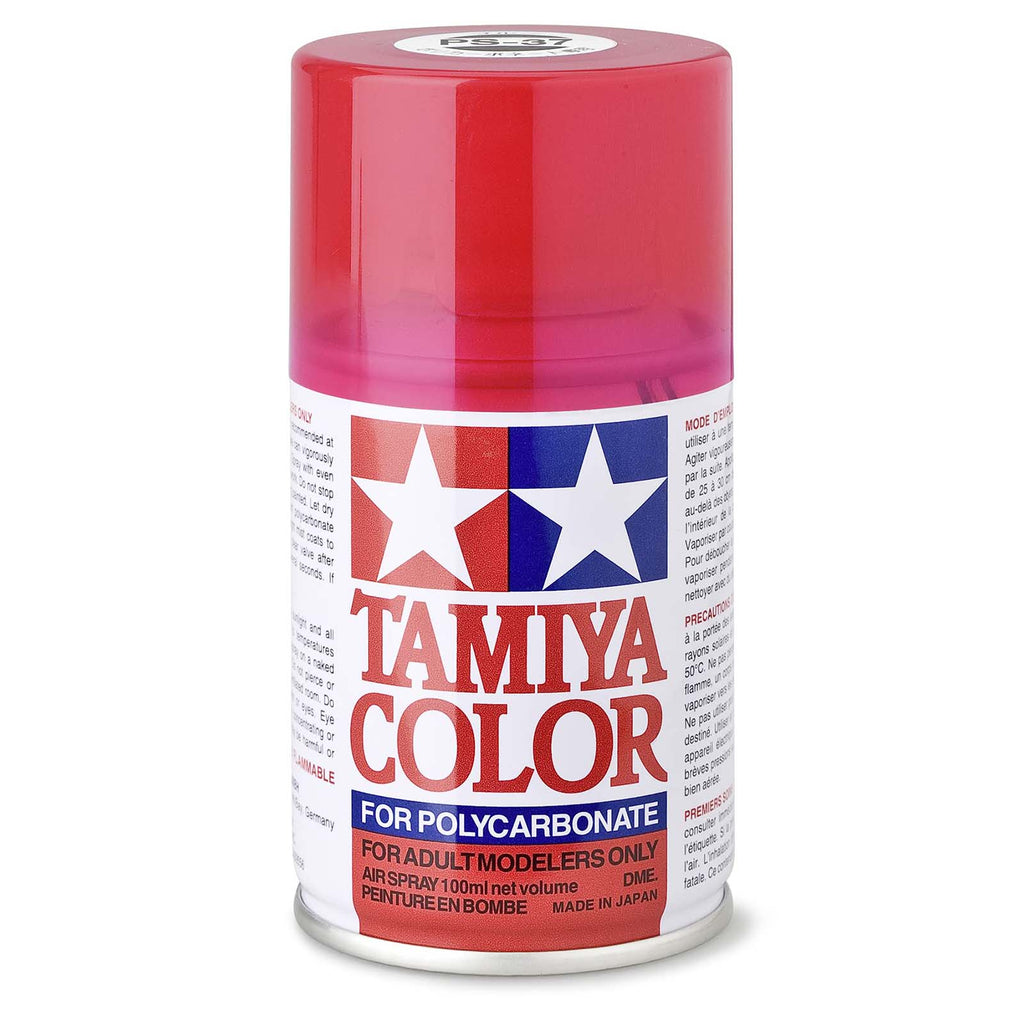 Tamiya Color PS-37 Translucent Red Polycarbonate Spray Paint 100mL
OUT OF STOCK
Tamiya Color PS-37 Translucent Red Polycarbonate Spray Paint 100mL
OUT OF STOCK
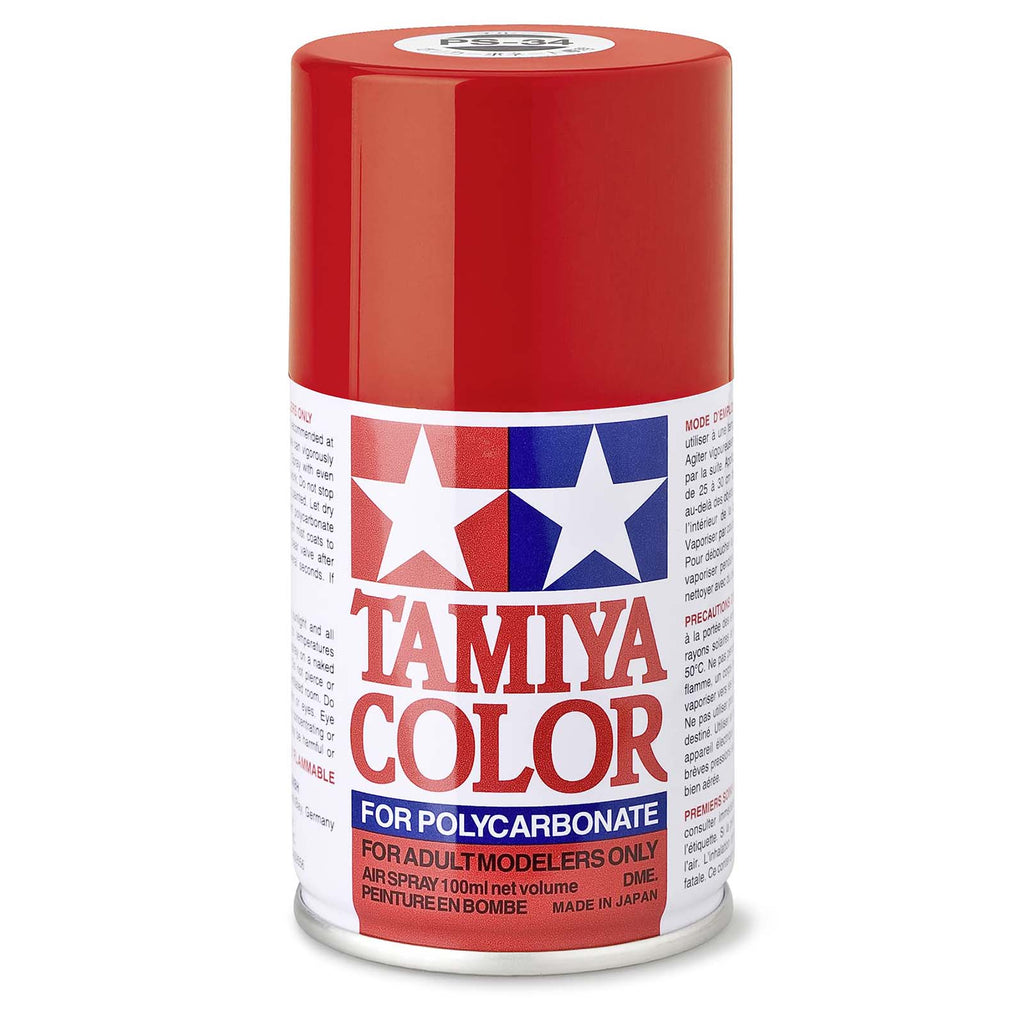 Tamiya Color PS-34 Bright Red Polycarbonate Spray Paint 100mL
OUT OF STOCK
Tamiya Color PS-34 Bright Red Polycarbonate Spray Paint 100mL
OUT OF STOCK
 Tamiya Color PS-33 Cherry Red Polycarbonate TAM86033
OUT OF STOCK
Tamiya Color PS-33 Cherry Red Polycarbonate TAM86033
OUT OF STOCK
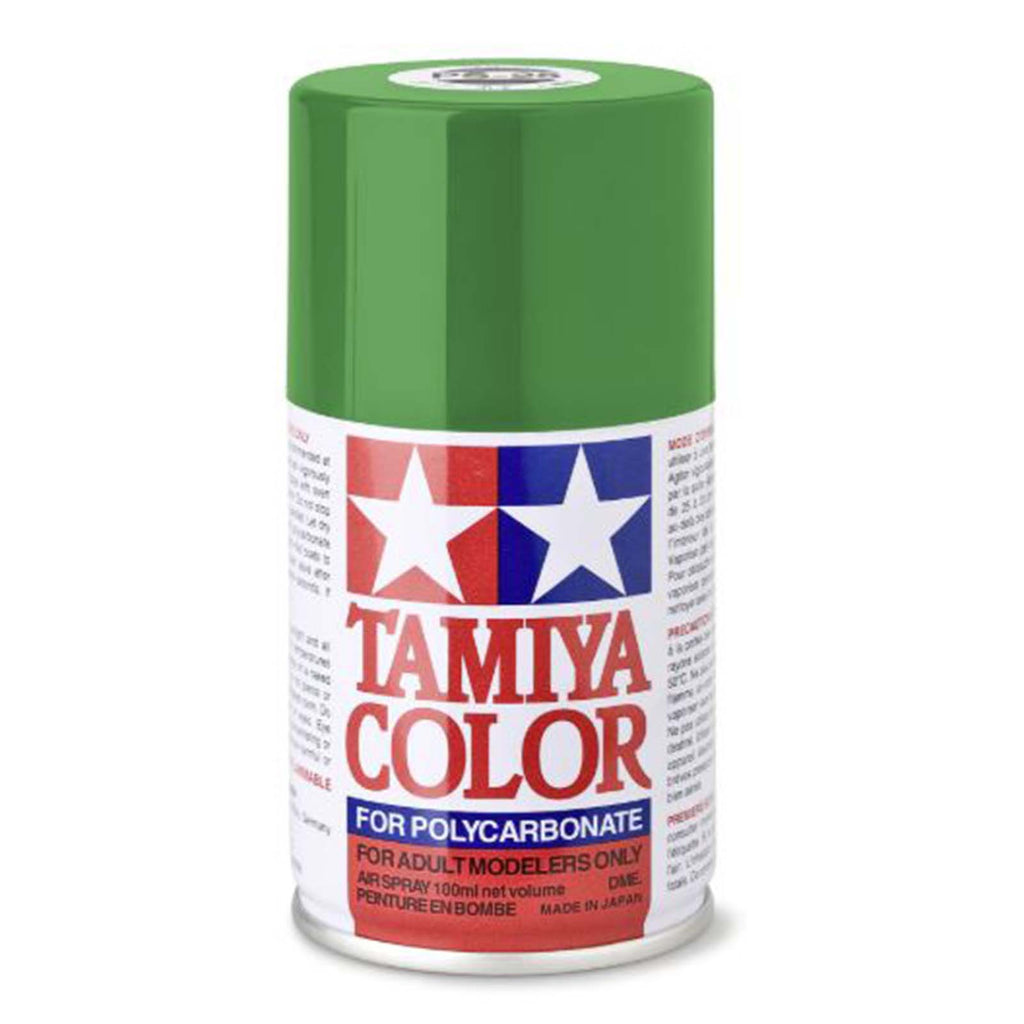 Tamiya Color PS-25 Bright Green Polycarbonate Spray Paint 100mL
OUT OF STOCK
Tamiya Color PS-25 Bright Green Polycarbonate Spray Paint 100mL
OUT OF STOCK
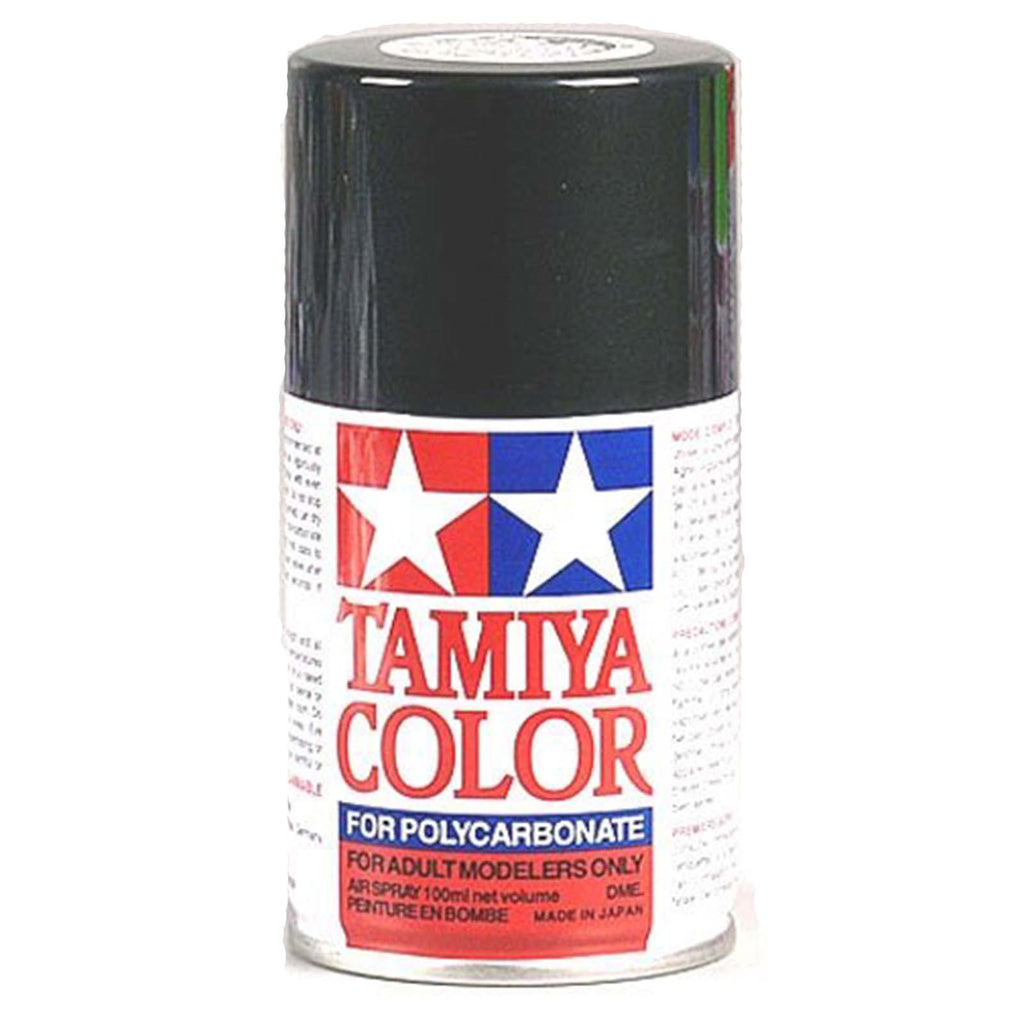 Tamiya Color PS-23 Gunmetal Polycarbonate Spray Paint 100mL
OUT OF STOCK
Tamiya Color PS-23 Gunmetal Polycarbonate Spray Paint 100mL
OUT OF STOCK
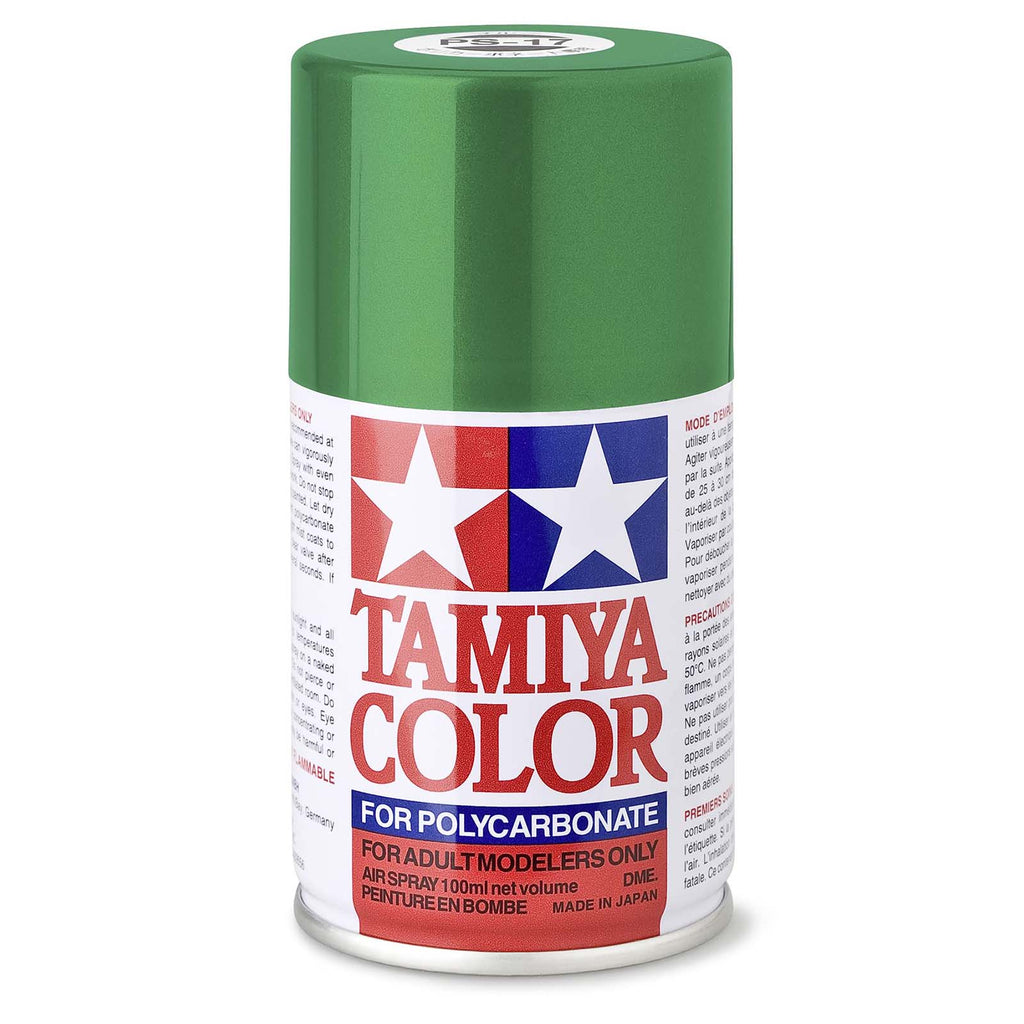 Tamiya Color PS-17 Metallic Green Polycarbonate Spray Paint 100mL
OUT OF STOCK
Tamiya Color PS-17 Metallic Green Polycarbonate Spray Paint 100mL
OUT OF STOCK


